
Clinical Practice
61 articles tagged with “Clinical Practice”

The Bowel Nosodes of Bach and Paterson: A Guide
Bowel nosodes of Bach and Paterson: Morgan, Gaertner, Proteus, Dys. Co., Sycotic Co., with keynotes, associated remedies and where to read Paterson free.

Constitutional Prescribing in Homeopathy: A Guide
Constitutional remedy and constitutional types for practitioners: Hahnemann, Kent, Vithoulkas, French biotypes, acute vs chronic, genus epidemicus.

Homeopathic Aggravation & the Second Prescription
How to read the response to a first prescription: homeopathic vs medicinal vs disease aggravation, Kent's twelve observations, and when to wait or change.

Homeopathic Provings: How Remedies Are Tested
How a homeopathic proving is conducted, from Hahnemann's protocol to modern blinded trials, and how to read a proving report: prover marks, timing, grades.

Isopathy and Tautopathy vs Homeopathy Explained
Isopathy (Isopathie, isothérapie, isoterapia) and tautopathy vs homeopathy: definitions, Hahnemann's objection, nosodes on the boundary, modern use.

Similia Similibus Curentur in Homeopathy Explained
Similia similibus curentur (curantur) explained: the law of similars, Hahnemann's cinchona trial, Organon §§24–29 and the principles that follow from it.

Natrum Carbonicum Materia Medica for Practitioners
Natrum carbonicum materia medica: worse from sun, music and mental exertion, 5 a.m. hunger, weak ankles. Keynotes from Boericke, Kent, Clarke and Allen.

Remedy Relationships in Homeopathy: A Guide
What complementary, inimical and antidote mean in homeopathy, where the relationship tables come from, and how to read them in Boericke, Clarke and Hering.

Robin Murphy's Nature's Materia Medica: A Guide
Robin Murphy's Nature's Materia Medica explained: Remedy Guide to Lotus MM to the 4th edition, how each entry is built, book vs Similia Pro Murphy Edition.

Sankaran's Sensation Method: Levels & Kingdoms
Vital sensation, seven levels, kingdoms and ten miasms: Sankaran's sensation method explained, and how to test it against a classical repertorisation.

Acute Cystitis: A Classical Repertory Study Guide
Compare classical cystitis remedy descriptions and Kent rubric paths in a source-study exercise for practitioners and students, separate from medical UTI management.

Acute Headache: A Classical Repertory Study Guide
Compare classical headache descriptions and Kent location and modality rubrics as a source-study exercise, separate from medical diagnosis, treatment and emergency assessment.

Acute Otitis: A Classical Repertory Study Guide
A source-study comparison of Belladonna, Chamomilla, Pulsatilla, Hepar and Mercurius in classical ear-symptom literature, with Kent references and medical assessment context.
Acute Sore Throat: A Classical Repertory Study Guide
Study classical throat-symptom descriptions, side and swallowing modalities, and Kent rubric references, with a clear distinction from medical diagnosis and treatment.

HomeoNetix Alternative 2026: Clinic EMR vs Similia
HomeoNetix, the Pune-built homeopathic EMR, compared with Similia: three repertories and twelve materia medicas in an 11-step consultation flow versus seven classical repertories, 21 books and semantic search free in the browser.

Unicist Homeopathy: What It Means and How It Is Practised
What unicist homeopathy means in classical literature, how it differs from pluralist and complex prescribing, and how to study its single-remedy doctrine and source-specific follow-up methods.
Antimonium Tartaricum Materia Medica: Keynotes in Practice
Antimonium tartaricum materia medica: the coarse rattling cough with little expectoration, the drowsiness, debility and cold sweat, plus differentials.

Argentum Nitricum Materia Medica: Keynotes & Modalities
Argentum nitricum materia medica: keynotes of hurry and anticipation, expansion and splinter sensations, sweets that disagree, and the Gelsemium differential.

Calcarea Fluorica Materia Medica: Keynotes & Uses
Calcarea fluorica materia medica: keynotes for stony-hard indurations, exostoses, varicose veins and cracked palms, with modalities and working differentials.
Ferrum Phosphoricum Materia Medica: Keynotes & Clinical Use
Ferrum phosphoricum materia medica: keynotes for the first stage of inflammation, bright-red haemorrhage, soft rapid pulse, epistaxis, otitis and modalities.

Hering's Law of Cure: Reading the Direction of Cure
Hering's law of cure explained for practitioners: the four directions of cure, what a return of old symptoms means, and how to read a follow-up.
Kali Mur Materia Medica: Keynotes & Clinical Use
Kali mur materia medica: the second-stage tissue salt of thick white exudate, greyish-white tongue, glandular swelling and catarrhal deafness.

Magnesia Phosphorica Materia Medica: Mag Phos Keynotes
Magnesia phosphorica materia medica: the great antispasmodic — cramping, lightning-like neuralgic pains better for heat, pressure and bending double.

Nosodes in Homeopathy: What They Are and When to Use Them
Nosodes in homeopathy explained for practitioners: how they are prepared, the classical nosodes one by one, the bowel nosodes, and when a nosode is indicated.
Psorinum Materia Medica: Keynotes, Modalities & Clinical Use
Psorinum materia medica for practitioners: lack of vital reaction, hopelessness, foul discharges and chilliness — with modalities, keynotes and differentials.
Analogon vs Similia 2026: Billing, Repertory, AI & Pricing
Analogon vs Similia compared: platform, billing/EMR integration, repertory/MM libraries, AI features, pricing and which homeopathy software fits your practice.

Apis vs Belladonna: The Inflammation Differential
Apis mellifica vs Belladonna in acute inflammation: oedema versus throbbing congestion, stinging versus hammering pain, and the modalities that decide.

Carbo Veg vs China: Flatulence and Collapse Compared
Carbo vegetabilis vs China officinalis: whether belching relieves, air hunger versus periodicity, and the touch-and-pressure paradox that decides the case.

Gelsemium vs Bryonia: The Influenza Differential
Gelsemium vs Bryonia in flu and febrile states: thirst, motion, pulse and the mental picture that separate them — with the rubrics that decide the prescription.

Ignatia vs Natrum Muriaticum: The Grief Differential
Ignatia vs Natrum muriaticum in ailments from grief: acute versus buried sorrow, consolation, the globus and the salt craving — plus the deciding rubrics.

Pulsatilla vs Sepia: The Differential Explained
Pulsatilla vs Sepia: craving sympathy versus refusing it, warmth versus cold, motion, discharges and menses — plus why the sources call them inimical.

Staphysagria vs Causticum: Suppressed Emotion Compared
Staphysagria vs Causticum: indignation versus long-lasting grief, the bladder and weather modalities, and how two complementary remedies divide a case.

Boericke's Clinical Repertory: What It Is & When to Use It
Oscar Boericke's Clinical Repertory — the repertory section of Boericke's Pocket Manual — explained: its therapeutic organisation, how it differs from Kent, and where it fits in modern practice.

Clarke's Dictionary of Practical Materia Medica: A Guide
John Henry Clarke's Dictionary of Practical Materia Medica explained: how the entries are structured, why its clinical detail and remedy relationships matter, and how to use Clarke online.

Homeopathy Practice Management Software: What It Must Do
What practice management means for a homeopathy clinic: patient records built around the totality, follow-up tracking, GDPR-grade data protection, and which software actually covers it.

The Organon of Medicine: Editions, Structure & Aphorisms
Hahnemann's Organon of Medicine explained for students and practitioners: the six editions, how the 291 aphorisms are organised, the passages exams and practice actually turn on, and how to study it.

Professional Homeopathy Software: What Clinic-Grade Means
A practitioner's checklist for professional homeopathy software: licensed repertories, materia medica depth, defensible patient records, AI with guardrails, languages and honest pricing.

Acute Cough: Bryonia vs Drosera vs Spongia vs Ant Tart
A practitioner's differential for acute cough in homeopathy: Bryonia, Drosera, Spongia and Antimonium tartaricum compared by cough character, modalities and rubrics.

Acute Fever: Aconite vs Belladonna vs Gelsemium vs Ferr Phos
A practitioner's differential for acute fever in homeopathy: Aconite, Belladonna, Gelsemium and Ferrum phosphoricum compared by onset, face, thirst, mentals and rubrics.

Validating AI-Assisted Repertorization: An Audit Checklist
How to audit AI-assisted repertorization before trusting it in practice: rubric traceability, source verification, hallucination checks, privacy and practitioner sign-off.

Homeopathy Clinic Software: The Practitioner Workflow
What homeopathy clinic software should actually do: a practitioner's workflow from case taking through repertorisation, materia medica checks, prescriptions and follow-up.

Mercurius Corrosivus: Materia Medica, Keynotes & Differentials
Mercurius corrosivus materia medica: keynotes, incessant rectal and bladder tenesmus, dysentery, nephritis, eye and throat affinities, plus differentials.

Ruta Graveolens: Materia Medica, Keynotes & Modalities
A practitioner's guide to Ruta graveolens — sphere of action on periosteum, tendons and eyes, keynotes, modalities, and the Ruta vs Rhus tox vs Arnica vs Symphytum differential.
Arsenicum Album vs Nux Vomica: Differential Guide
Arsenicum Album vs Nux Vomica: a practitioner's differential — keynotes, mind, modalities, GI and sleep symptoms, plus the rubrics that separate them.
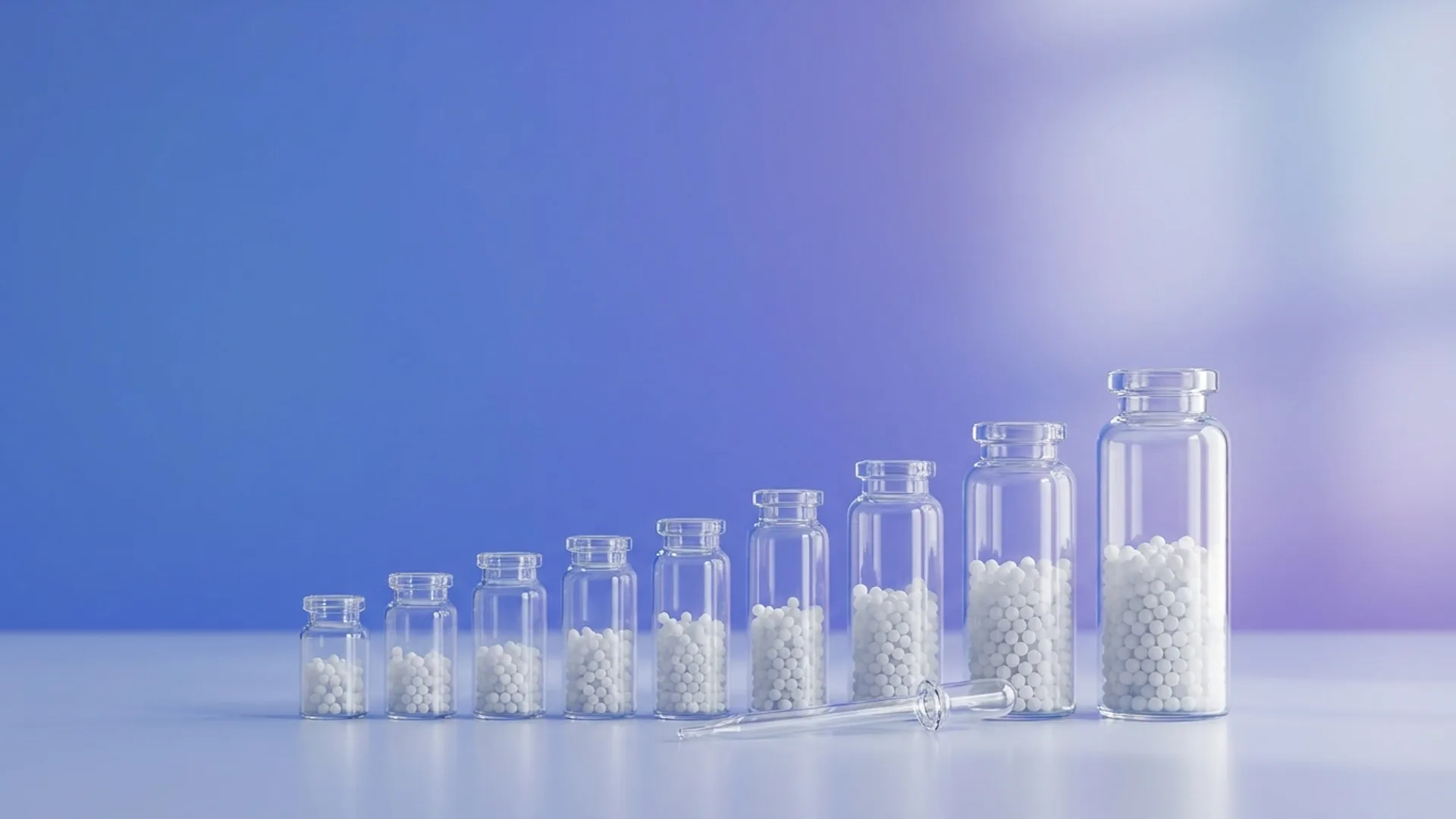
30C vs 200C vs 1M: Homeopathic Potency Explained
What 30C, 200C, 1M and LM labels mean, how classical authors discuss posology, and how to distinguish historical dosing doctrine from evidence of clinical benefit.
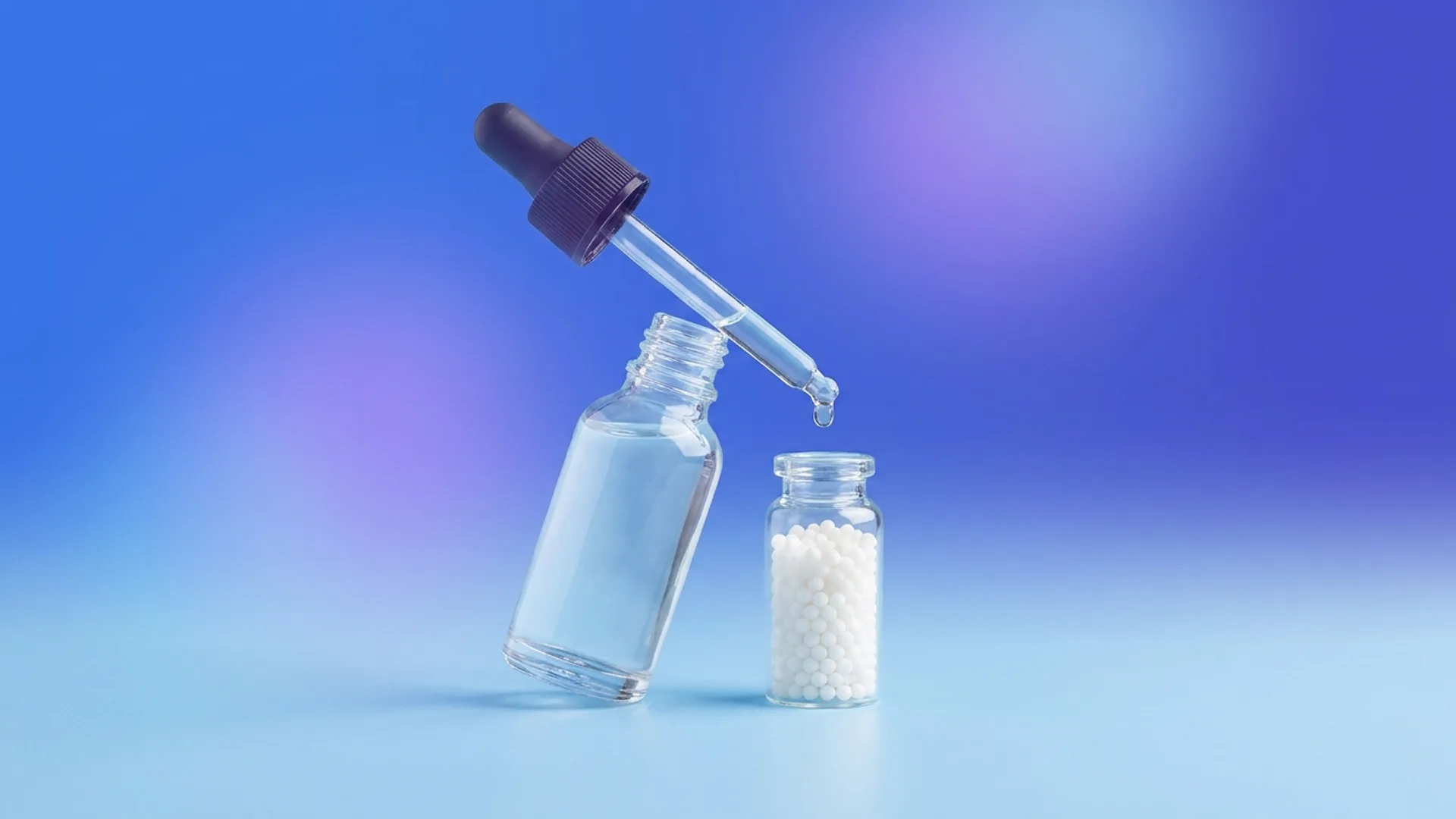
LM (Q) Potencies: Plussing, Dosing & Uses
How LM (Q) 50-millesimal potencies are prepared, how to plus and adjust the dose, and when to choose them over the centesimal scale — a practitioner's guide.

Miasms Explained: Psora, Sycosis & Syphilis
What the three miasms mean in practice — psora as deficiency, sycosis as excess, syphilis as destruction — with keynotes, examples and miasmatic prescribing.

Rhus Tox vs Bryonia: Differential Guide for Practitioners
Rhus Tox vs Bryonia for homeopaths: the worse-from-motion vs better-from-motion split, side-by-side modalities, keynotes, differentials & repertory rubrics.

Boenninghausen's Method & BBCR vs Kent
What BBCR means, how Boger's source differs from the Pocketbook and Kent, and a worked lookup that checks an exact rubric path without inventing missing details.
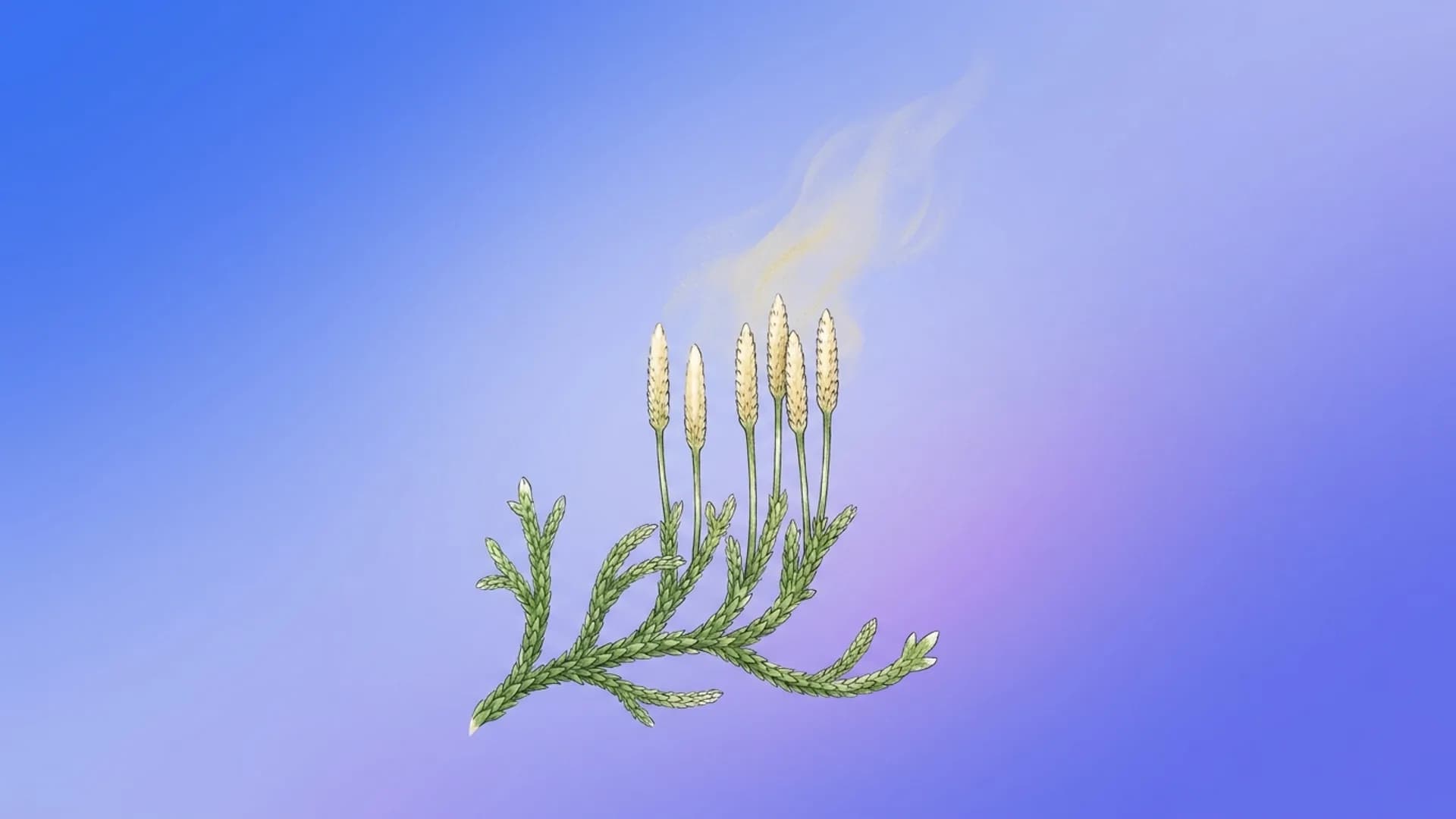
Lycopodium Clavatum: Remedy Profile for Practitioners
Lycopodium clavatum remedy profile: constitutional picture, keynotes, 4-8 pm and right-sided modalities, and repertorisation tips for practitioners.
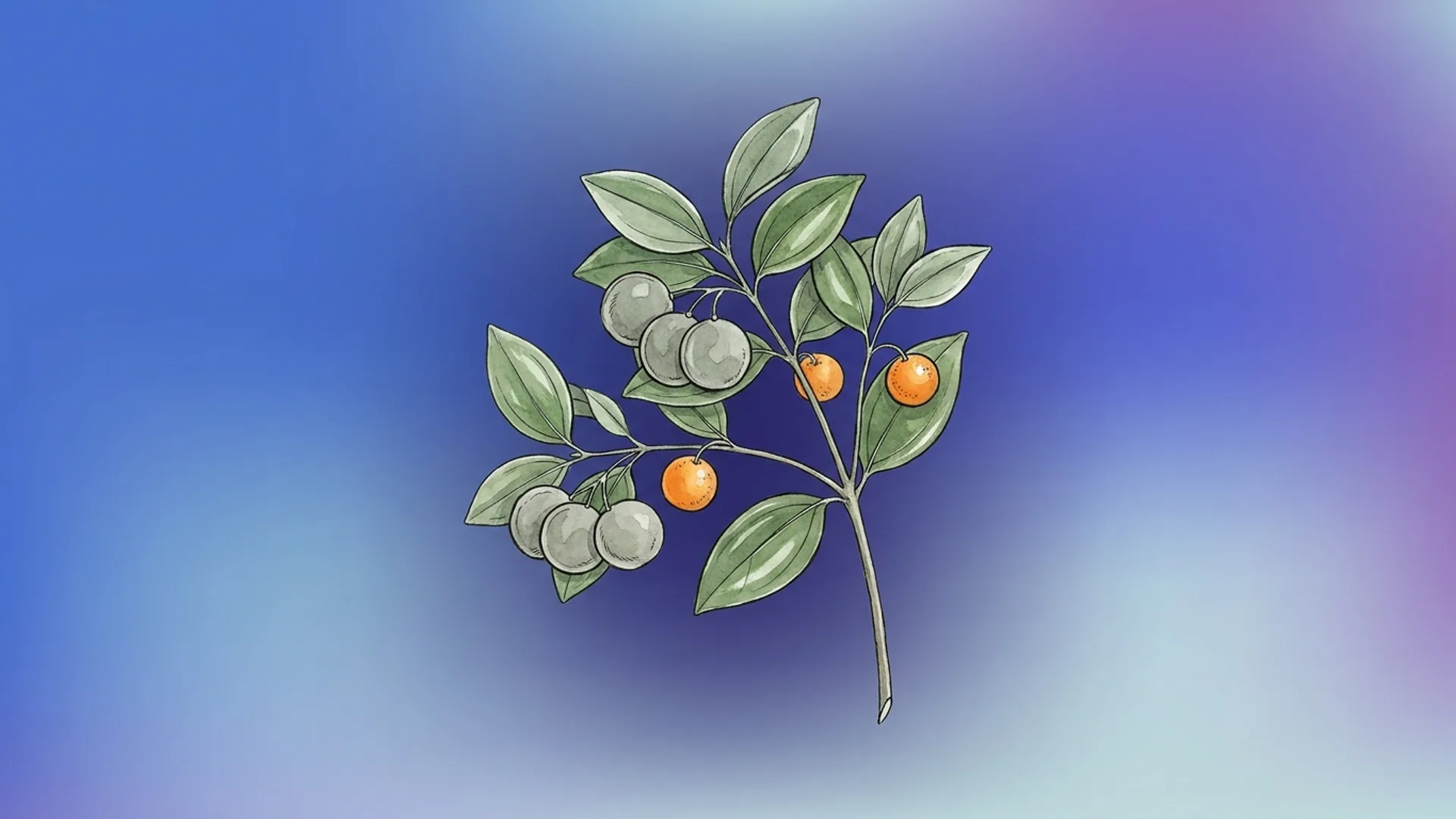
Nux Vomica Homeopathy: Complete Remedy Profile
In-depth Nux Vomica remedy profile for practitioners: constitution, keynotes, modalities, clinical uses & differentials from classical sources.
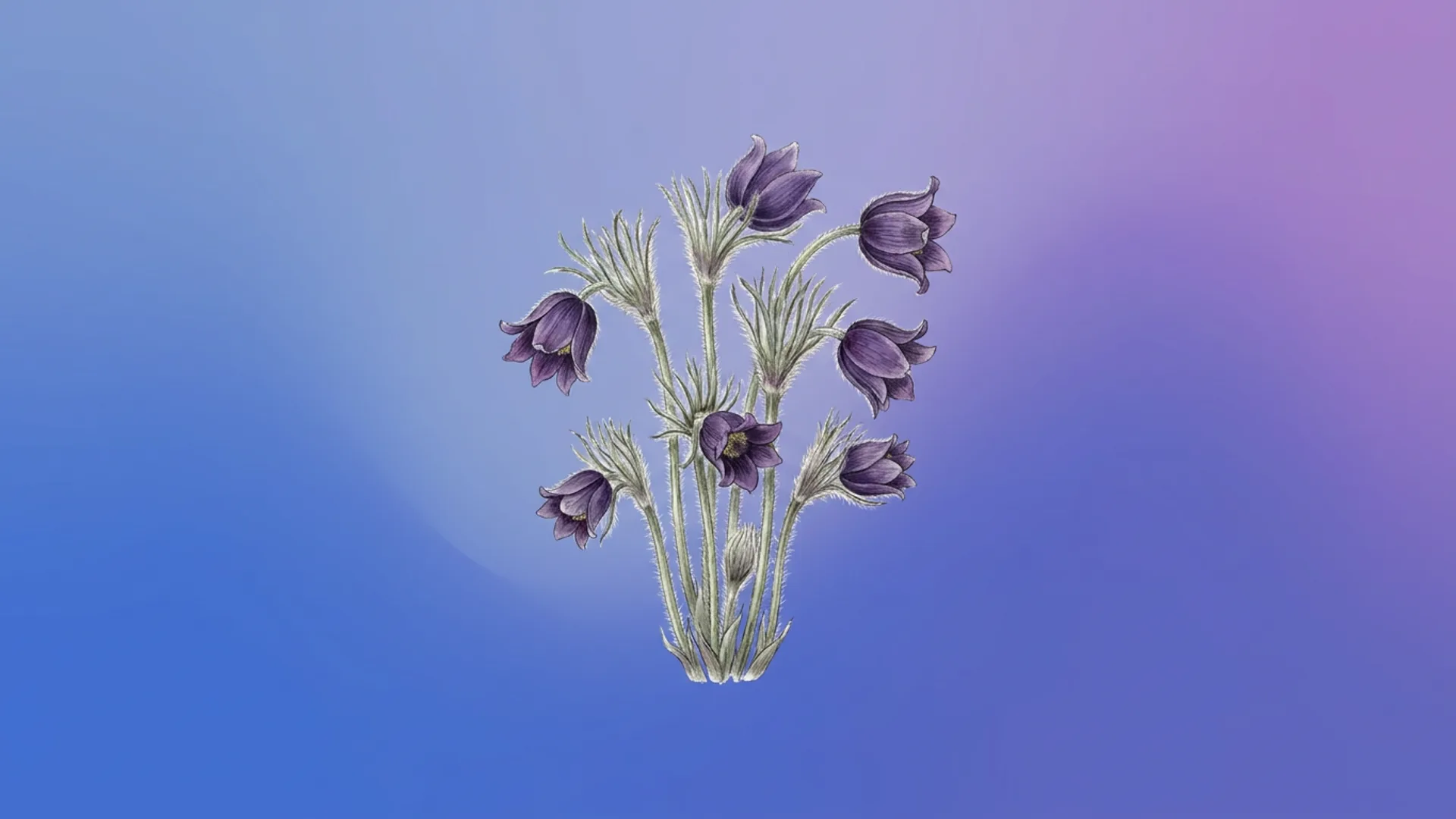
Pulsatilla Homeopathy — Keynotes, Picture & Clinical Use
In-depth Pulsatilla remedy profile: constitutional type, keynotes, modalities, differentials & repertory rubrics. Clinical study reference for homeopaths.
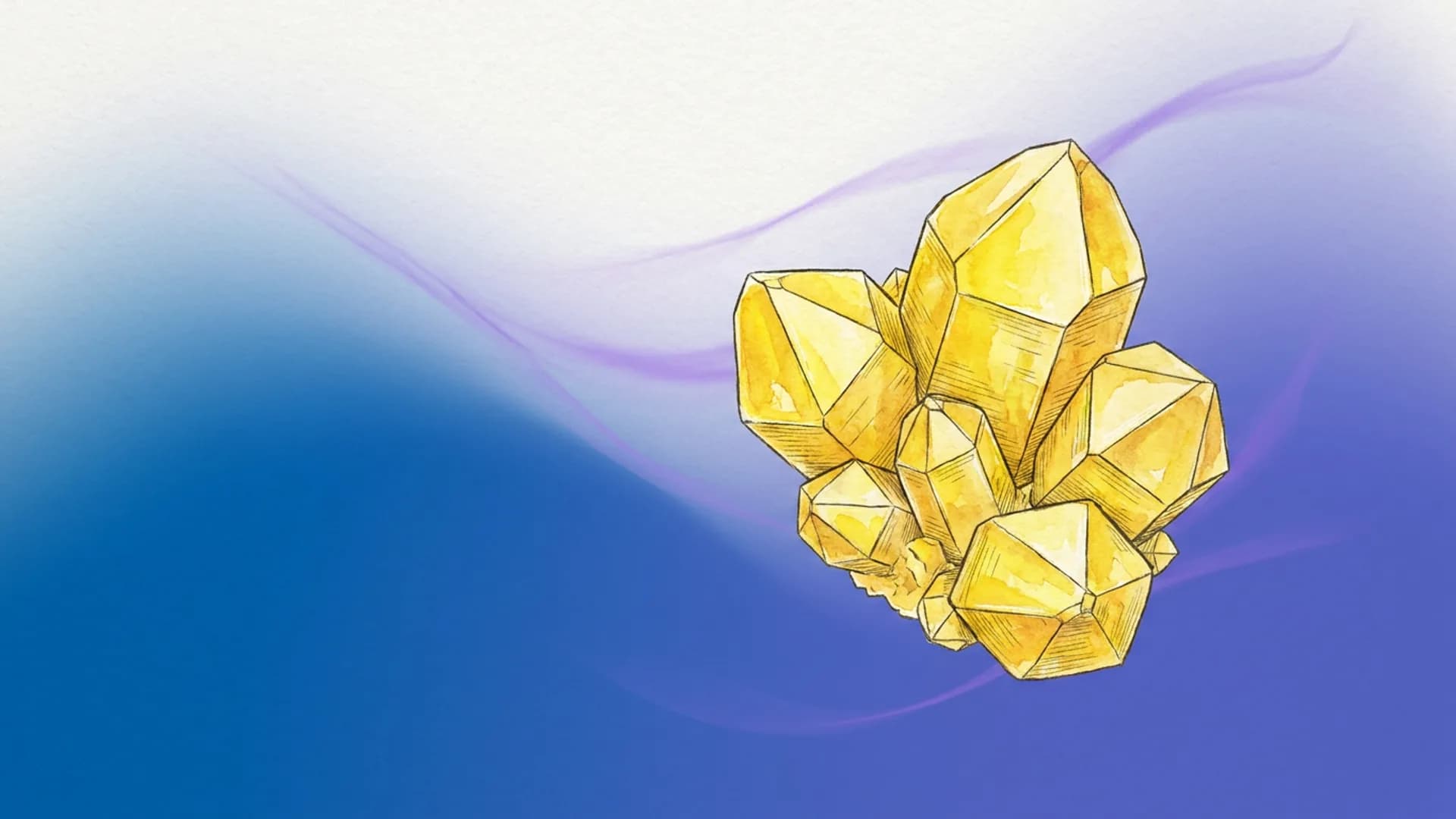
Sulphur Homeopathy: Complete Remedy Profile for Practitioners
In-depth Sulphur remedy profile: constitutional type, keynotes, modalities, and clinical applications. A study and prescribing reference for homeopaths.

AI Homeopathy Case Analysis: How the Tools Work
Learn how AI homeopathy tools analyse case notes, extract symptoms, map rubrics, and suggest remedies. Practical guide to using AI case analysis in your homeopathic practice.

Arsenicum Album Uses, Keynotes & Modalities
Arsenicum album uses and keynotes: anxious restlessness, burning pains better for warmth, midnight aggravation and thirst for sips — and when to prescribe it.
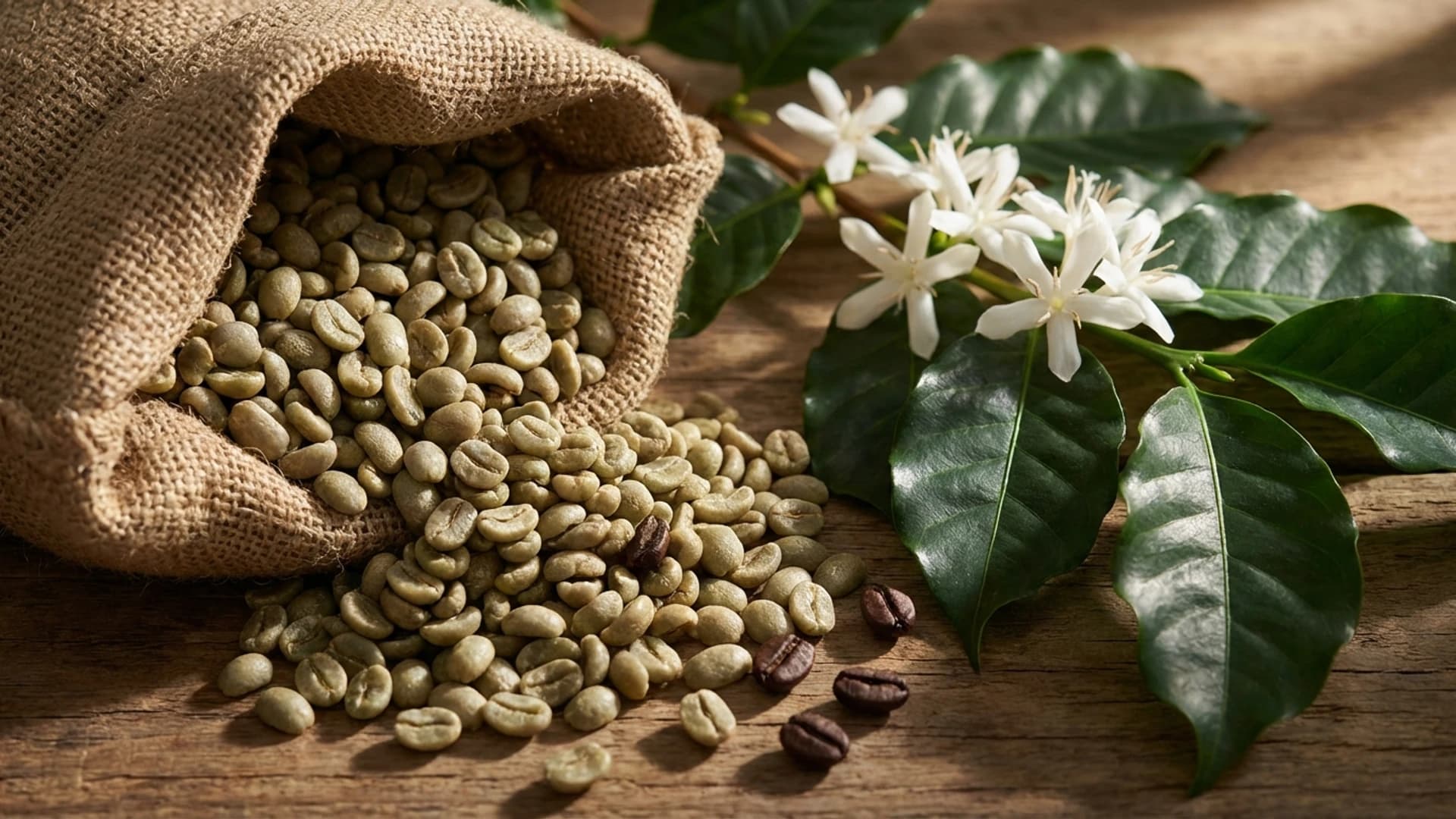
Coffea Cruda: Complete Remedy Profile for Practitioners
In-depth Coffea Cruda remedy profile covering mental overexcitement, insomnia, hypersensitivity, and clinical applications for homeopathy practitioners.
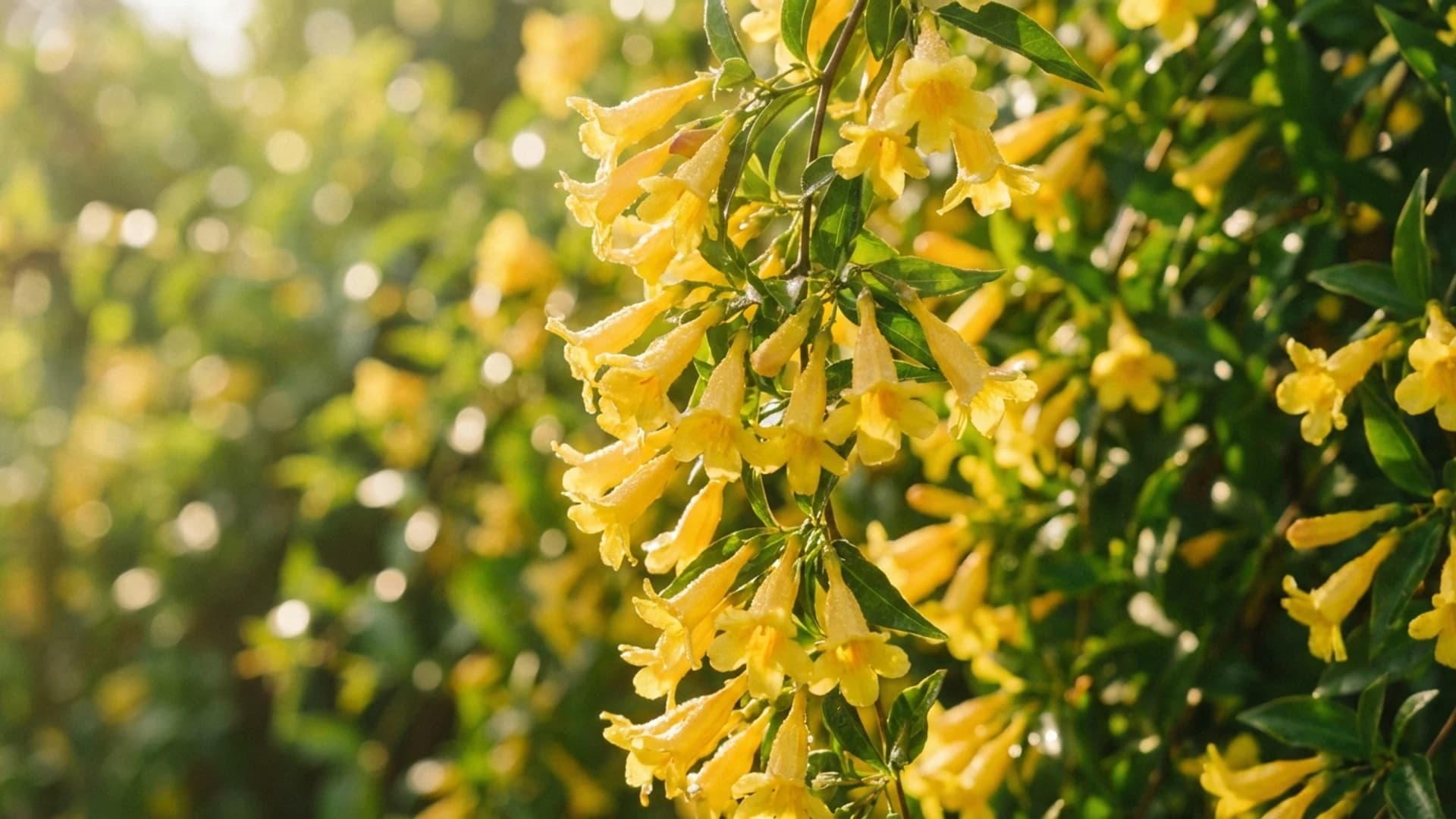
Gelsemium Uses: Flu, Stage Fright & Weakness
Gelsemium uses and keynotes: the four Ds, flu with heaviness and drooping eyelids, thirstlessness, and anticipatory anxiety before exams or performance.

Ignatia Amara Uses: Grief, Sighing & Globus
Ignatia amara uses and keynotes: acute grief, silent brooding and sighing, the lump in the throat, and contradictory symptoms — with clinical indications.
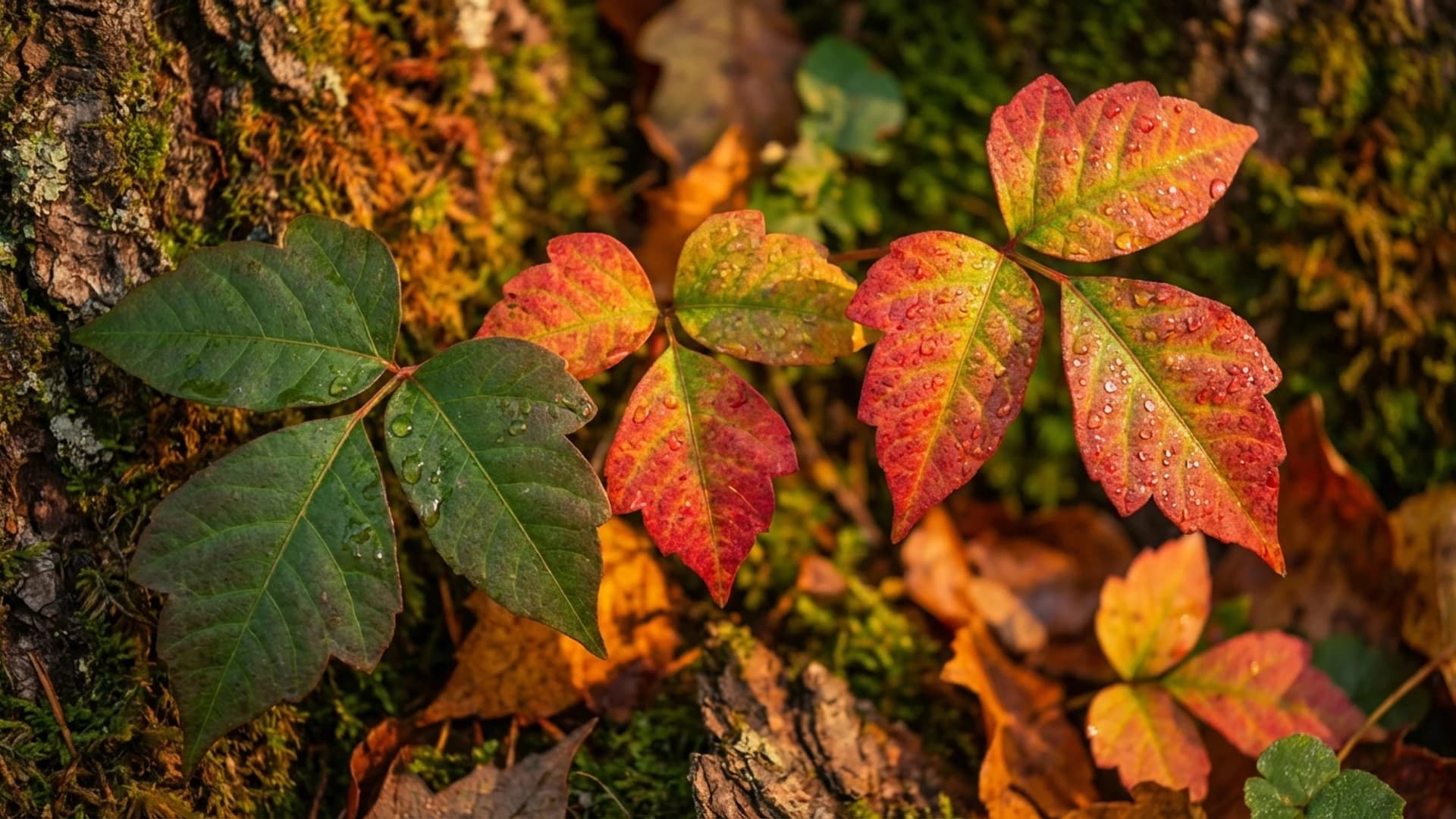
Rhus Tox Uses: Stiffness, Sprains & Rheumatism
Rhus tox uses and keynotes: stiffness worse on first motion and better for continued movement, sprains, back pain, shingles — plus the Bryonia differential.

HIPAA and GDPR Compliance for Homeopathic Practitioners
A practical guide to HIPAA and GDPR compliance for homeopathic practitioners, covering patient data protection, software requirements, and how to ensure your practice meets regulatory standards.

Homeopathic Case Taking: Guide and Printable Form
A practitioner case-taking guide with free printable PDF and editable Word forms, a fictional worked record, follow-up fields and source-checking notes.