
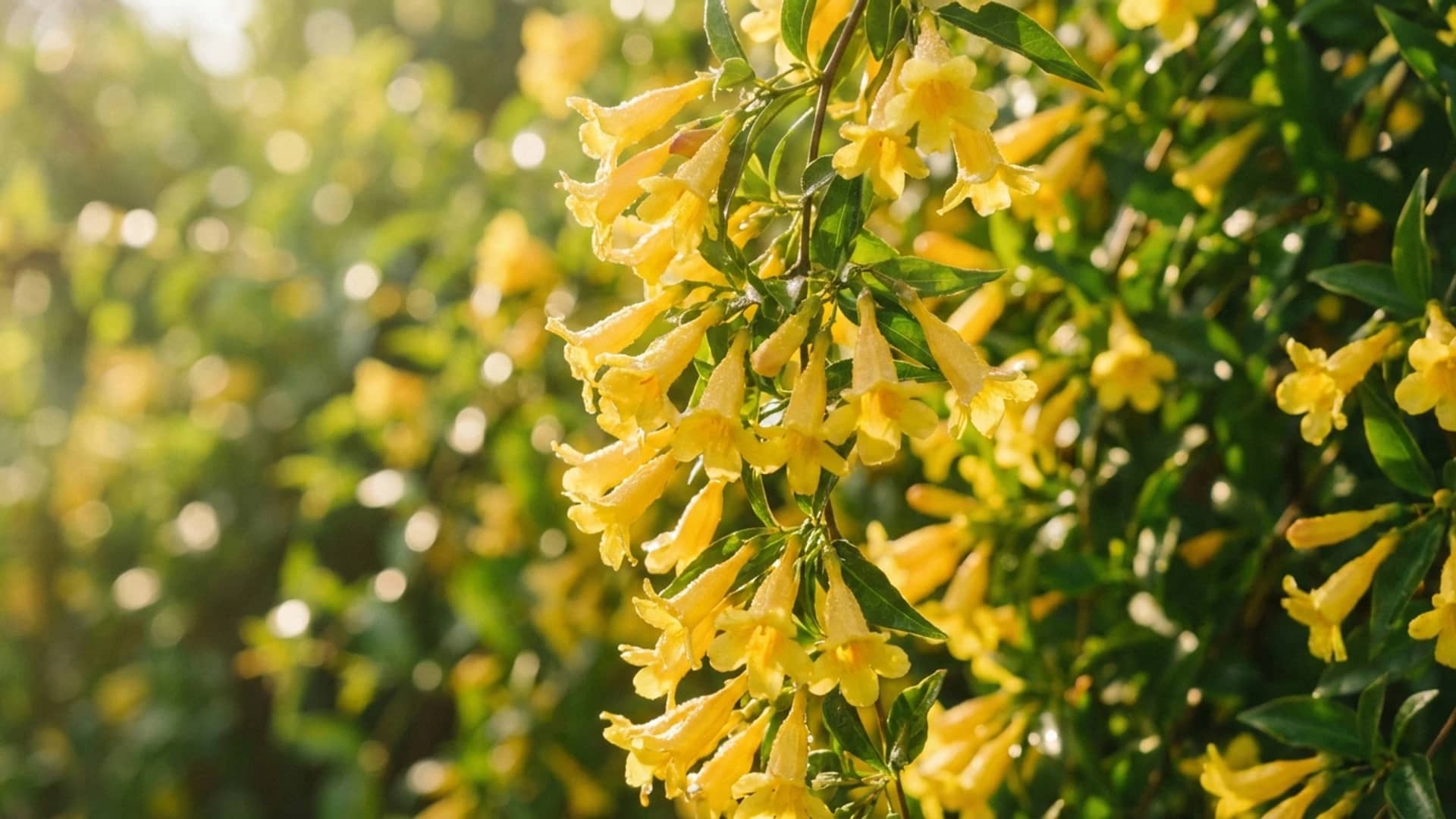
যদি Arsenicum album উদ্বিগ্ন অস্থিরতার রেমেডি হয়, তবে Gelsemium sempervirens তার শান্ততর প্রতিরূপ — পক্ষাঘাতসদৃশ দুর্বলতা, জড়তা এবং কাঁপুনির রেমেডি। দক্ষিণ যুক্তরাষ্ট্রের স্থানীয় হলুদ জুঁই উদ্ভিদ থেকে প্রস্তুত Gelsemium মেটেরিয়া মেডিকায় anticipation ও influenza-এর মহারেমেডি হিসেবে একটি স্বতন্ত্র স্থান অধিকার করে। এর ক্রিয়াক্ষেত্র স্নায়ুতন্ত্রকে কেন্দ্র করে, যেখানে এটি ভারভাব, তন্দ্রা এবং পেশিগত দুর্বলতার একটি বৈশিষ্ট্যপূর্ণ অবস্থা সৃষ্টি করে, যা চিকিৎসকেরা acute ও chronic উভয় prescribing-এই নিয়মিত দেখেন।
Gelsemium হলো ছাত্ররা প্রথম দিকে যে রেমেডিগুলি শেখে তার একটি, প্রায়ই acute influenza-এর প্রেক্ষাপটে। তবে এর ক্লিনিক্যাল উপযোগিতা ফ্লুর অনেক বাইরে পর্যন্ত বিস্তৃত। Anticipatory anxiety — মঞ্চভীতি, পরীক্ষার আগে মানসিক ভেঙে পড়া, জনসমক্ষে উপস্থিতির আগে আতঙ্ক — এর রেমেডি হিসেবে এটি স্নায়ুতন্ত্রের এমন একটি প্রতিক্রিয়ার pattern আচ্ছাদন করে যা বহু রোগী অনুভব করেন। Acute জ্বরগ্রস্ত অবস্থা থেকে chronic anticipation type পর্যন্ত Gelsemium-এর পূর্ণ চিত্র বোঝা একে দৈনন্দিন practice-এ অমূল্য একটি tool করে তোলে।
এই profile-এ Gelsemium-কে সামগ্রিকভাবে আলোচনা করা হয়েছে, Similia's free materia medica-এর মাধ্যমে পাওয়া classical sources-এর ভিত্তিতে। আপনি পরীক্ষার জন্য পুনরাবৃত্তি করছেন, অথবা সেই বৈশিষ্ট্যপূর্ণ ঝুলে পড়া, তন্দ্রাচ্ছন্ন, কাঁপুনিযুক্ত অবস্থাসহ কোনো case নিয়ে কাজ করছেন — এই guide অধ্যয়নের জন্য একটি সুসংগঠিত কাঠামো দেয়।
Gelsemium Constitutional Type
Gelsemium constitutional type সাধারণত শান্ত, সংবেদনশীল স্বভাবের দিকে ঝোঁকে। এরা গভীরভাবে অনুভব করে, কিন্তু সংযতভাবে তা প্রকাশ করে। বাইরে থেকে তারা স্থির ও composed দেখাতে পারে, অথচ ভেতরে উল্লেখযোগ্য উদ্বেগ অনুভব করে। Arsenicum type যেমন নিয়ন্ত্রণ ও শৃঙ্খলার মাধ্যমে উদ্বেগ সামলায়, Gelsemium type বরং তাতে পক্ষাঘাতগ্রস্ত হয়ে পড়ে — চাপের প্রতি তাদের প্রতিক্রিয়া হলো কাজ করার বদলে স্থবির হয়ে যাওয়া।
শারীরিকভাবে, Gelsemium constitutions কিছুটা ভারী, অবসন্ন চেহারায় দেখা দিতে পারে। মুখের অভিব্যক্তিতে বৈশিষ্ট্যপূর্ণ তন্দ্রা থাকতে পারে, চোখের পাতা ভারী দেখায় এবং মুখ flushed বা dusky মনে হয়। অসুস্থতার সময় পেশিগত দুর্বলতা স্পষ্ট হয়ে ওঠে — অঙ্গপ্রত্যঙ্গ ভারী লাগে, মাথা ঘাড়ের জন্য অতিরিক্ত ভারী মনে হয়, এবং পুরো শরীর যেন ক্লান্তির ওজনে ঝুলে পড়ে।
এই রোগীরা প্রায়ই গুরুত্বপূর্ণ ঘটনার আগে অসুস্থ হয়ে পড়ার একটি pattern জানান। পরীক্ষা, সাক্ষাৎকার, জনসমক্ষে বক্তৃতা, এবং জীবনের বড় পরিবর্তন — সবই Gelsemium state trigger করতে পারে। anticipation নিজেই symptoms তৈরি করে: কাঁপুনি, দুর্বলতা, diarrhoea, মানসিক জড়তা, এবং সেই বৈশিষ্ট্যপূর্ণ ভারভাব যা তাদের শুয়ে পড়তে ও একা থাকতে বাধ্য করে।
মানসিক ও আবেগীয় চিত্র
Gelsemium-এর mental picture একটি বিশেষ ধরনের জড়তা ও নিজেকে সরিয়ে নেওয়ার গুণে সংজ্ঞায়িত, যা এটিকে অন্যান্য remedies-এর উত্তেজিত anxiety থেকে স্পষ্টভাবে আলাদা করে।
Anticipatory anxiety। এটি প্রধান mental symptom। Gelsemium patient আসন্ন ঘটনাকে একটি নির্দিষ্ট স্নায়বিক প্রতিক্রিয়ার pattern নিয়ে ভয় পায়: কাঁপুনি, দুর্বলতা, diarrhoea, এবং মানসিক কুয়াশা। anxiety-টি Aconitum-এর উন্মত্ত, অস্থির ভয় নয়, কিংবা Arsenicum-এর নিয়ন্ত্রণমুখী সতর্কতাও নয়। বরং এটি এমন পক্ষাঘাতকর আতঙ্ক, যা রোগীকে অক্ষম ও দুর্বল বোধ করায়। Examination funk — যেখানে ভালোভাবে প্রস্তুত একজন student পরীক্ষার আগে mentally blank ও physically shaky হয়ে যায় — এটি textbook Gelsemium presentation।
জড়তা ও মানসিক কুয়াশা। Gelsemium state-এ মন sluggish ও ভারী হয়ে যায়। চিন্তা করতে effort লাগে। রোগীর concentration-এ অসুবিধা হতে পারে, thought-এর ধারাবাহিকতা হারাতে পারে, অথবা মনে হতে পারে যেন মস্তিষ্ক তুলোর মধ্যে মোড়ানো। এই mental dullness acute flu state এবং chronic anticipation type — উভয়ের সঙ্গেই থাকে।
একা থাকতে চাওয়া। Arsenicum যেখানে সঙ্গ চায়, বা Pulsatilla যেখানে sympathy চায়, Gelsemium চায় solitude। রোগী কথা, মনোযোগ, বা fuss কিছুই চায় না। তারা শান্ত ঘরে স্থির হয়ে শুয়ে থাকতে এবং বিরক্ত না হতে চায়। শান্ত solitude-এর এই আকাঙ্ক্ষা একটি নির্ভরযোগ্য distinguishing feature।
কাঁপুনি। Gelsemium picture জুড়ে স্নায়বিক কাঁপুনি থাকে — হাত কাঁপা, পা কাঁপা, ভেতরের কাঁপুনি যা অনুভূত হয় কিন্তু সবসময় দেখা যায় না। এই trembling anxiety states এবং febrile presentations — উভয়ের সঙ্গেই থাকে, এবং রেমেডিটির স্নায়ুতন্ত্রের ওপর গভীর action প্রতিফলিত করে।
তৃষ্ণার অনুপস্থিতি। জ্বর ও দুর্বলতা থাকা সত্ত্বেও Gelsemium patient-এর সাধারণত তৃষ্ণা খুব কম বা নেই। এই negative symptom Bryonia ও Arsenicum-এর মতো তৃষ্ণাযুক্ত febrile remedies থেকে Gelsemium আলাদা করতে clinically খুব উপযোগী।
শারীরিক Affinities
Gelsemium-এর প্রধান action স্নায়ুতন্ত্রে, এবং এর শারীরিক symptoms এই কেন্দ্রীয় affinity থেকেই ছড়ায়।
স্নায়ুতন্ত্র। রেমেডিটি progressive muscular weakness ও heaviness তৈরি করে, যা functional paralysis পর্যন্ত যেতে পারে। চোখের পাতা ঝুলে পড়ে (ptosis), অঙ্গপ্রত্যঙ্গ সীসার মতো ভারী লাগে, মাথা ধরে রাখা অতিরিক্ত ভারী মনে হয়, এবং জিহ্বা মোটা ও clumsy লাগতে পারে। এই paralytic quality মানসিক জড়তার physical equivalent — পুরো organism ধীর হয়ে যায় ও ভারী হয়ে ওঠে।
মাথা ও মুখ। Gelsemium headaches বৈশিষ্ট্যগতভাবে dull, heavy, এবং band-like। প্রায়ই মাথার পেছনে (occiput) ভারভাবের sensation থাকে যা forehead পর্যন্ত যায়, যেন মাথার চারপাশে একটি band বাঁধা। মুখ flushed ও heavy-looking দেখায়, চোখের পাতা ঝুলে পড়ে, এবং expression হয় drowsy stupor-এর মতো।
শ্বাসতন্ত্র। Influenza-তে Gelsemium gradual onset-এর classic presentation আচ্ছাদন করে, যেখানে aching, heaviness, spine বরাবর ওঠানামা করা chilliness, sneezing, এবং watery nasal discharge থাকে। রোগী নড়াচড়া করার জন্য অতিরিক্ত দুর্বল বোধ করে এবং বিছানায় নিরিবিলি শুয়ে থাকতে চায়। chills-এর সঙ্গে পালাক্রমে heat-এর sensation থাকতে পারে।
Musculoskeletal system। গভীর, aching muscular pain flu state-এর সঙ্গে থাকে — পেশীতে soreness ও heaviness, যা প্রতিটি movement-কে effortful করে তোলে। বৈশিষ্ট্য হলো pain-এর sharpness নয়, বরং heaviness। অঙ্গপ্রত্যঙ্গ যেন সীসা দিয়ে তৈরি মনে হয়।
Gastrointestinal tract। ঘটনাগুলির আগে nervous diarrhoea (পরীক্ষা, performance, গুরুত্বপূর্ণ meeting) একটি classic Gelsemium symptom। anticipatory anxiety-তে bowel urgency ও looseness দিয়ে সাড়া দেয়, কখনো abdomen-এ weakness-এর feeling-সহ।
প্রধান Modalities
যেগুলিতে খারাপ হয়:
- Anticipation of any ordeal — পরীক্ষা, জনসমক্ষে বক্তৃতা, সাক্ষাৎকার
- Damp weather — বিশেষত উষ্ণ, আর্দ্র অবস্থা
- Emotions — খারাপ খবর, fright, excitement
- Tobacco smoking — trembling ও weakness বাড়াতে পারে
- Mid-morning — সকাল প্রায় ১০টা একটি common aggravation time
- Thinking about symptoms — ailment-এর দিকে attention দিলে worse হয়
যেগুলিতে ভালো হয়:
- Profuse urination — অত্যন্ত characteristic amelioration; প্রচুর পরিমাণ pale urine যাওয়ার পর headache বা অন্যান্য symptoms clear হয়
- Open air — কোমল, fresh air relieves
- Continued motion — gentle movement heaviness কমাতে পারে
- Stimulants — সাময়িকভাবে (যদিও এটি therapeutic recommendation নয়)
- Bending forward — মাথার heaviness উপশম করতে পারে
Profuse urination থেকে amelioration বিশেষভাবে লক্ষণীয় এবং clinically reliable। কোনো patient যদি জানান যে প্রচুর পরিমাণ urine যাওয়ার পর তাদের headache বা general malaise কমে যায়, Gelsemium দৃঢ়ভাবে বিবেচনা করা উচিত।
Keynote Symptoms
এই symptoms একসঙ্গে উপস্থিত থাকলে নির্ভরযোগ্যভাবে Gelsemium-এর দিকে ইঙ্গিত করে:
- চারটি D: dullness, dizziness, drowsiness, and droopiness — একটি classic teaching mnemonic
- Heavy, drooping eyelids — patient চোখ খোলা রাখতে কষ্ট পায়
- Chills running up and down the spine — বিশেষত febrile states-এ
- Absence of thirst during fever
- Trembling — internal বা visible, anxiety বা weakness-এর সঙ্গে
- Anticipatory diarrhoea — পরীক্ষা বা গুরুত্বপূর্ণ ঘটনার আগে
- Band-like headache — occiput থেকে forehead পর্যন্ত heaviness
- Amelioration from profuse urination — সবচেয়ে reliable confirmatory symptoms-এর একটি
- Gradual onset — symptoms ধীরে ধীরে develop করে, Aconitum বা Belladonna-এর sudden onset-এর মতো নয়
Clinical Applications
Influenza। Gelsemium influenza-তে সবচেয়ে ঘনঘন indicated remedies-এর একটি, বিশেষত যখন onset gradual, patient heavy, drowsy, এবং aching অনুভব করে, thirst কম থাকে, এবং chills spine বরাবর ওঠানামা করে। classic Gelsemium flu patient বিছানায় শুয়ে থাকতে, একা থাকতে চায়, এবং কিছু করার energy জোগাড় করতে পারে না।
Anticipatory anxiety and stage fright। পরীক্ষা, public performances, interviews, বা nervous dread trigger করা যেকোনো ঘটনার আগে Gelsemium trembling, diarrhoea, mental blankness, এবং weakness-এর pattern আচ্ছাদন করে। এটি রেমেডিটির জন্য সবচেয়ে common acute prescribing opportunities-এর একটি।
Headaches। Occiput-এ কেন্দ্রীভূত ও সামনে ছড়ানো dull, heavy, congestive headaches — mental exertion থেকে worse, profuse urination থেকে better — characteristic Gelsemium headaches। এগুলি প্রায়ই flu বা anticipation states-এর সঙ্গে থাকে।
Vertigo। dizziness, unsteadiness, এবং পায়ে weakness-এর sensation — যেন ground unstable — Gelsemium-এর sphere-এর মধ্যে পড়ে। vertigo general heaviness ও muscular weakness-এর সঙ্গে থাকতে পারে।
Functional paralysis। যখন muscular weakness এমন পর্যায়ে যায় যে patient-এর কথা বলতে difficulty হয় (tongue feels heavy), মাথা ধরে রাখতে বা চোখ খোলা রাখতে অসুবিধা হয়, তখন Gelsemium বিবেচনা করা উচিত। এই paralytic quality হলো স্নায়ুতন্ত্রে রেমেডিটির action-এর extreme expression।
Differential Diagnosis
Gelsemium vs. Baptisia। উভয়ই muscular aching ও dullness-সহ influenza আচ্ছাদন করে। Baptisia আলাদা হয় তার rapidity of onset, dusky, besotted appearance, শরীর scattered বা টুকরো টুকরো হয়ে গেছে এমন sensation, এবং offensive discharges দ্বারা। Gelsemium-এর onset gradual, appearance besotted-এর চেয়ে বেশি drowsy, এবং symptoms-এ offensive quality নেই।
Gelsemium vs. Bryonia। উভয়ই muscular aching ও একা থাকতে চাওয়াসহ flu আচ্ছাদন করে। তবে Bryonia-এর keynote modality হলো যেকোনো motion থেকে aggravation (patient একেবারে স্থির হয়ে শুয়ে থাকে), আর Gelsemium-এর heaviness আলাদা — এটি sharp stitching pain নয়, বরং leaden quality। Bryonia প্রচুর পরিমাণে তীব্র তৃষ্ণার্ত; Gelsemium thirstless। Bryonia-এর onset sudden হতে পারে; Gelsemium-এর gradual।
Gelsemium vs. Aconitum। Aconitum-এর anxiety intense, restless, এবং fearful, exposure বা fright-এর পরে sudden violent onset-সহ। Gelsemium-এর anxiety paralysing ও dulling, gradual onset-সহ। Aconitum hot, restless, এবং thirsty; Gelsemium heavy, still, এবং thirstless। emotional quality সম্পূর্ণ আলাদা: Aconitum panics; Gelsemium freezes।
Repertorisation Tips
সন্দেহজনক Gelsemium case repertorise করার সময়, এই rubrics বিশেষভাবে উপযোগী:
- Mind; DULLNESS; mental exertion, from — Gelsemium in high grade
- Mind; FEAR; stage fright — a core Gelsemium rubric
- Mind; ANTICIPATION; complaints from — remedy-এর central theme
- Head; HEAVINESS; occiput — characteristic headache location
- Eye; HEAVINESS; lids — droopy eyelid keynote
- Generalities; WEAKNESS; trembling, with — paralytic quality
- Fever; THIRSTLESS — febrile cases-এ highly differentiating
- Generalities; URINATION; profuse; amel. — confirmatory modality
digital repertory tools নিয়ে কাজ করার সময়, mental symptoms (anticipatory anxiety, dullness) এবং physical generals (thirstlessness, heaviness, trembling) একত্র করলে, remedy well indicated হলে একটি reliable Gelsemium result পাওয়া যায়।
আপনার অধ্যয়ন গভীর করা
Gelsemium sempervirens এমন একটি remedy যা clinical experience-এর মাধ্যমে তার depth প্রকাশ করে। flu picture প্রায়ই প্রথম encounter, কিন্তু anticipation type — যে patient প্রতিটি significant event-এর আগে ভেঙে পড়ে — সেখানেই remedy-টির true constitutional value স্পষ্ট হয়।
পূর্ণ proving picture ও classical commentary অনুসন্ধানের জন্য, Similia-এর free digital materia medica Clarke, Boericke, Allen, এবং অন্যান্য classical authors-এ access দেয়। পূর্ণ classical entries পড়ুন: Clarke's full Gelsemium entry এবং Boericke's Gelsemium। বিভিন্ন author কীভাবে একই remedy বর্ণনা করেন তা cross-reference করলে textbook summaries মাত্র যা দিতে পারে না, সেই ধরনের three-dimensional understanding তৈরি হয়। Gelsemium কীভাবে অন্যান্য essential polycrest remedies-এর পাশে fit করে তার broad view পেতে, আমাদের study guides structured context দেয়।