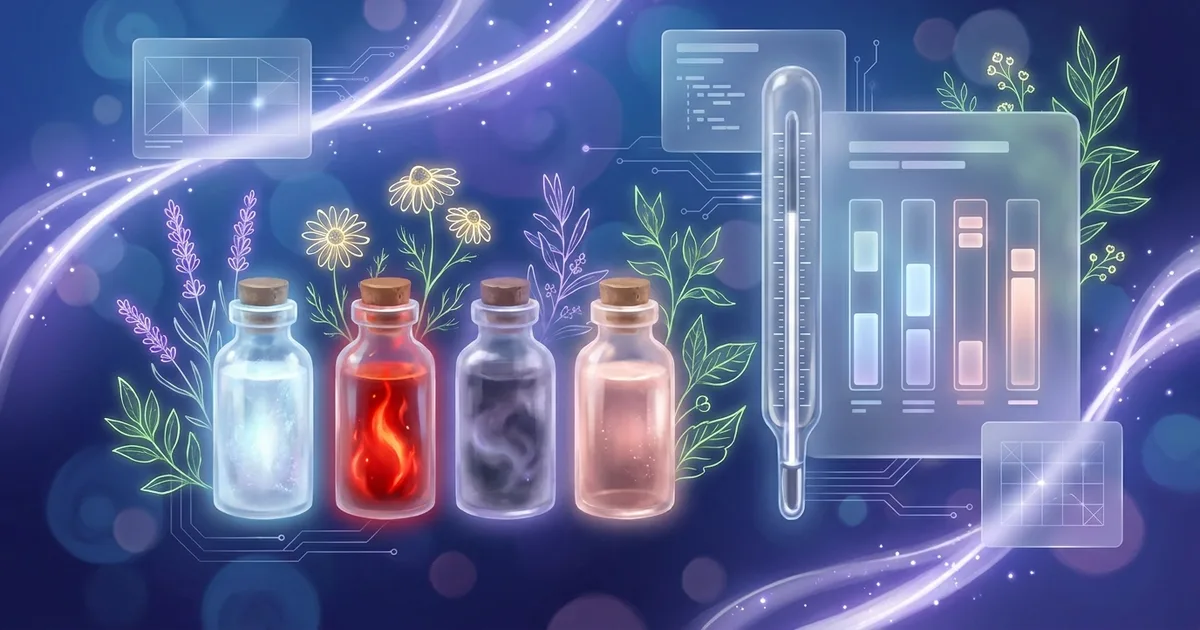
Τέσσερα φάρμακα κυριαρχούν στην κλασική βιβλιογραφία για το αρχικό στάδιο του οξέος πυρετού — Aconitum napellus, Belladonna, Gelsemium sempervirens και Ferrum phosphoricum — και όλη η τέχνη της οξείας διαφορικής διάγνωσης είναι να γνωρίζει κανείς, δίπλα στο κρεβάτι, ποια εικόνα βρίσκεται πραγματικά μπροστά του. Δύο από αυτά είναι αιφνίδια και θυελλώδη, ένα είναι αργό και βαρύ, και ένα είναι διάσημο ακριβώς επειδή δεν έχει σχεδόν καθόλου ιδιομορφίες. Αυτό το άρθρο εξετάζει τις τέσσερις εικόνες όπως τις συναντά πραγματικά ο θεραπευτής: έναρξη, πρόσωπο και μάτια, θερμότητα και δίψα, ψυχική κατάσταση, και τις επιβεβαιωτικές τροποποιήσεις — έπειτα δείχνει πώς η ίδια διαφορική διάγνωση εμφανίζεται ως ένα μικρό σύνολο ρουμπρικών στο ρεπερτόριο. Εγκαινιάζει τη σειρά μας για τις διαφορικές διαγνώσεις καταστάσεων: εκεί όπου οι οδηγοί φαρμάκων μας μελετούν ένα φάρμακο σε βάθος, αυτά τα άρθρα μελετούν μία κλινική κατάσταση μέσα από αρκετά φάρμακα. Είναι εκπαίδευση για θεραπευτές και φοιτητές, όχι πρωτόκολλο αυτοθεραπείας — δεν υπάρχει εδώ συμβουλή δοσολογίας, και ο πυρετός στους πολύ μικρούς, στους πολύ ηλικιωμένους, ή με οποιοδήποτε προειδοποιητικό σημείο ανήκει πρώτα σε επείγουσα ιατρική εκτίμηση (δείτε την ενότητα με τις κόκκινες σημαίες παρακάτω).
Γιατί ο πυρετός είναι η κλασική διδακτική περίπτωση διαφορικής διάγνωσης
Κάθε ομοιοπαθητική παράδοση — οι διαλέξεις του Kent, το Leaders in Homoeopathic Therapeutics του Nash, το Pocket Manual του Boericke, τα σύγχρονα μαθήματα οξέων — διδάσκει νωρίς τη διαφορική διάγνωση του πυρετού, και για καλό λόγο. Ο πυρετός απογυμνώνει μια περίπτωση στα παρατηρήσιμα ουσιώδη: ταχύτητα έναρξης, το πρόσωπο, τα μάτια, το δέρμα, τη δίψα και την ψυχική κατάσταση του ασθενούς. Τα υποψήφια φάρμακα είναι λίγα και ζωηρά διακριτά στη βιβλιογραφία. Και η πειθαρχία που διδάσκει — παρατηρήστε τα συνοδά, όχι τη διάγνωση — είναι η πειθαρχία που αργότερα διαχωρίζει τους ικανούς συνταγογράφους χρόνιων περιπτώσεων από τους συλλέκτες ρουμπρικών.
Το ίδιο μάθημα κάνει τον πυρετό ιδανικό για την εκμάθηση του ρεπερτορίου. Οι ρούμπρικες που εμπλέκονται είναι μεγάλες, καλά βαθμολογημένες και παρούσες σε κάθε σημαντικό έργο, ώστε η ίδια ανάλυση να μπορεί να τρέξει στον Kent, στον Murphy και στο Complete Repertory και να συγκριθεί — ένας τριπλός έλεγχος που παίρνει δευτερόλεπτα σε ένα διαδικτυακό ρεπερτόριο και είναι πραγματικά διδακτικός στην εκτέλεση. Αν οι μηχανισμοί επιλογής και συνδυασμού ρουμπρικών είναι ακόμη νέοι για εσάς, διαβάστε πρώτα τον οδηγό αρχαρίων για τη ρεπερτοριοποίηση· αυτό το άρθρο προϋποθέτει εκείνα τα βασικά.
Ένα σημείο μεθόδου πριν από τις εικόνες. Στα οξέα, η κλασική διδασκαλία ζυγίζει βαριά την αιτιολογία και την έναρξη (τι συνέβη και πόσο γρήγορα), έπειτα τα εντυπωσιακά συνοδά (τι συνοδεύει τον πυρετό που δεν είναι απαραίτητο να υπάρχει — οι διεσταλμένες κόρες, η απουσία δίψας, ο φόβος), και μόνο μετά το ίδιο το κοινό σύμπτωμα. Ο "πυρετός" ως τέτοιος βρίσκεται στην παθογένεση κάθε φαρμάκου· η διαφορική διάγνωση ζει εξ ολοκλήρου στα συνοδευτικά.
Aconitum Napellus — Αιφνίδιο, ξηρό, φοβισμένο
Έναρξη. Το ταχύτερο και πιο δραματικό από τα τέσσερα. Το κλασικό πλαίσιο είναι η έκθεση — ένας ξηρός, κρύος άνεμος· ένα ρίγος μετά από υπερθέρμανση· μερικές φορές ένας οξύς τρόμος — ακολουθούμενη μέσα σε ώρες από έναν βίαιο πυρετό. Το Aconite είναι φάρμακο των πρώτων ωρών: οι παλαιότεροι συγγραφείς επαναλαμβάνουν ότι δεν έχει διάρκεια σε μια περίπτωση που έχει ήδη οργανωθεί, και η συμβουλή του Nash ήταν ότι το Aconite ταιριάζει στην καταιγίδα που ξεσπά ξαφνικά τη νύχτα μετά τον κρύο άνεμο του πρωινού.
Η εικόνα. Ξηρό είναι η λέξη που οργανώνει τα πάντα: ξηρή καυστική θερμότητα, ξηρό δέρμα χωρίς ιδρώτα, ξηρό στόμα με έντονη δίψα για κρύο νερό — συχνά σε μεγάλες ποσότητες. Το πρόσωπο είναι κόκκινο αλλά, σε μια κλασική λεπτομέρεια που αξίζει να επιβεβαιωθεί, μπορεί να χλωμιάζει όταν σηκώνεται από την κατάκλιση. Οι κόρες τείνουν να είναι συσταλμένες στο πυρετικό στάδιο, ο σφυγμός σκληρός και γρήγορος.
Ο νους. Εδώ το Aconite αναγγέλλει τον εαυτό του. Ανησυχία που δεν αφήνει τον ασθενή να μείνει ακίνητος· άγχος δυσανάλογο προς το ενόχλημα· στην πλήρη εικόνα, καθαρός φόβος — ο περίφημος φόβος θανάτου, μερικές φορές με τον ασθενή να προβλέπει την ώρα. Ένας οξύς πυρετός με φοβισμένο, ανήσυχο, διψασμένο ασθενή και ξηρό καυστικό δέρμα είναι Aconite μέχρι αποδείξεως του αντιθέτου. Χωρίς αυτή την ψυχική νότα — με απλή δυσφορία αντί για άγχος — η περίπτωση συνήθως γλιστρά προς Belladonna ή Ferrum phos.
Χειρότερα / καλύτερα. Χειρότερα το βράδυ και τη νύχτα, χειρότερα σε ζεστό δωμάτιο, χειρότερα ξαπλωμένος στην πάσχουσα πλευρά· καλύτερα στον ανοιχτό αέρα. Ο πυρετός συχνά φέρει μυρμήγκιασμα ή μούδιασμα ως παράξενο συνοδό — μια υπογραφή του Aconite σε όλη την παθογένεσή του.
Belladonna — Κόκκινη, ζεστή, παλλόμενη
Έναρξη. Τόσο αιφνίδια όσο το Aconite, και τα δύο δικαίως διδάσκονται ως ζεύγος. Αλλά εκεί όπου η βιαιότητα του Aconite βιώνεται από τον ασθενή ως φόβος, η βιαιότητα της Belladonna φαίνεται από τον παρατηρητή ως θερμότητα και συμφόρηση.
Η εικόνα. Η κλασική τριάδα είναι ερυθρότητα, θερμότητα και παλμός. Το πρόσωπο λάμπει κατακόκκινο· τα μάτια είναι γυάλινα με διεσταλμένες κόρες· οι καρωτίδες πάλλονται ορατά· το κεφάλι είναι καυτό ενώ τα άκρα μπορεί να είναι κρύα. Η θερμότητα ακτινοβολεί — οι παλιοί συγγραφείς λένε ότι το χέρι την αισθάνεται πριν αγγίξει το δέρμα, και ότι ο ατμός του πυρετού σχεδόν σπρώχνει το χέρι μακριά. Παρά την καυστική θερμότητα, ο ασθενής είναι κλασικά χωρίς δίψα κατά τη θερμότητα, ή πίνει μικρές γουλιές — ένας ισχυρός διαφοροποιητής από το Aconite. Ο ιδρώτας, όταν υπάρχει, βρίσκεται στα καλυμμένα μέρη.
Ο νους. Όχι φόβος αλλά αγριότητα. Οι αισθήσεις είναι τεντωμένες μέχρι θραύσης: το φως πονά, ο θόρυβος πονά, ο παραμικρός κραδασμός του κρεβατιού είναι αφόρητος. Ο ύπνος διακόπτεται από βίαια τινάγματα· στα παιδιά η εικόνα μπορεί να φτάσει σε ζεστό, άγριο παραλήρημα — βλέπουν πρόσωπα, δαγκώνουν, χτυπούν. Ο ασθενής της Belladonna δεν προαισθάνεται τον θάνατο όπως ο ασθενής του Aconite· είναι πολύ απορροφημένος από την καταιγίδα στο κεφάλι για να προαισθανθεί οτιδήποτε.
Χειρότερα / καλύτερα. Χειρότερα από άγγιγμα, κραδασμό, θόρυβο, φως και ρεύμα αέρα· χειρότερα το απόγευμα (η επιδείνωση στις 3 μ.μ. της βιβλιογραφίας είναι μια κλασική νότα)· καλύτερα ημι-όρθια και σε ήσυχο, σκοτεινό δωμάτιο. Η δεξιοπλευρικότητα διατρέχει τις τοπικές συγγένειες του φαρμάκου.
Gelsemium — Αργό, βαρύ, χωρίς δίψα
Έναρξη. Ο ρυθμός αντιστρέφεται. Ο πυρετός του Gelsemium έρπεται — ο ασθενής "το έχει να έρχεται" για μία ή δύο ημέρες, κλασικά με γρίπη ή μετά από ζεστό, υγρό καιρό· η παλαιότερη βιβλιογραφία το γνώριζε επίσης ως τον πυρετό που ακολουθεί προσμονή και κακά νέα. Αν το Aconite και η Belladonna είναι καταιγίδες, το Gelsemium είναι ομίχλη που κατεβαίνει.
Η εικόνα. Το διδακτικό μνημονικό — νυσταγμένος, πεσμένος, νωθρός και ζαλισμένος — είναι παλιό ακριβώς επειδή λειτουργεί. Βλέφαρα βαριά μέχρι πτώσεως· πρόσωπο κυανωτικό μάλλον παρά κατακόκκινο· έκφραση αποβλακωμένη. Ρίγη ανεβοκατεβαίνουν κατά μήκος της σπονδυλικής στήλης σε κύματα· οι μύες πονούν σαν μελανιασμένοι και είναι πραγματικά αδύναμοι, έτσι ώστε ο ασθενής τρέμει όταν σηκώνει το κεφάλι ή κρατά το χέρι τεντωμένο. Και μέσα σε όλη τη θερμότητα ο ασθενής είναι χωρίς δίψα — μια ιδιομορφία τόσο αξιόπιστη ώστε ένας έντονα διψασμένος, ανήσυχος πυρετός πρακτικά αποκλείει το φάρμακο.
Ο νους. Νωθρός και θέλει να τον αφήσουν μόνο. Καμία φοβία θανάτου, κανένα παραλήρημα βιαιότητας — απάθεια, αποστροφή προς την παρέα, φόβος απέναντι σε οποιαδήποτε απαίτηση για προσπάθεια. Το κλασικό συνοδό για το οποίο αξίζει να ρωτήσετε: ένας βαρύς συμφορητικός πονοκέφαλος που ανακουφίζεται με την αποβολή μεγάλης ποσότητας ούρων.
Χειρότερα / καλύτερα. Χειρότερα από υγρό καιρό, προσμονή, και γύρω στις 10 π.μ. στον κλασικό κύκλο του πυρετού· καλύτερα από άφθονη ούρηση, εφίδρωση και όταν στηρίζεται ήσυχα. Για το πλήρες πορτρέτο του φαρμάκου — το άγχος προσμονής, τον πανικό εξετάσεων, την παραλυτική αδυναμία — δείτε τον ειδικό οδηγό Gelsemium μας· εδώ κερδίζει τη θέση του ως ο αργός, χωρίς δίψα πυρετός των τεσσάρων.
Ferrum Phosphoricum — Ο πυρετός που δεν έχει τίποτα να πει
Έναρξη. Αρκετά γρήγορη ώστε να συγχέεται με τα δύο πρώτα, αλλά χωρίς το δράμα τους. Το Ferrum phos μπήκε στην πράξη μέσω του συστήματος ιστικών αλάτων του Schuessler και πολιτογραφήθηκε στην κλασική συνταγογράφηση ακριβώς επειδή κάλυψε ένα κενό που άφηναν ανοιχτό τα πολυχρησιμοποιούμενα φάρμακα.
Η εικόνα. Η διατύπωση του Nash παραμένει η καλύτερη: το Ferrum phos στέκεται ανάμεσα στο Aconite και την Belladonna — πυρετός, ερυθρό πρόσωπο (συχνά σε περιγεγραμμένες κόκκινες κηλίδες στα μάγουλα αντί για το ομοιόμορφο κατακόκκινο της Belladonna), μαλακός και γρήγορος σφυγμός αντί για τον σκληρό και αναπηδώντα, κάποια δίψα, ίσως ένας πρώιμος ξηρός βήχας ή ένα επώδυνο αυτί — και κατά τα άλλα, εντυπωσιακά λίγα. Κανένας φόβος, καμία μανία, κανένας λήθαργος. Το παιδί με 39° που ακόμη παίζει ήσυχα είναι η διδακτική βινιέτα.
Ο ρόλος. Αυτό είναι το φάρμακο του πρώτου, αδιαφοροποίητου σταδίου της φλεγμονής — πρώιμη ωτίτιδα, πρώιμη λαρυγγίτιδα και κρυολογήματα του θώρακα, ο πυρετός που έχει πραγματική τοπική συμφόρηση αλλά δεν έχει ακόμη οργανωτική ολότητα. Η κλασική οδηγία έχει δύο μισά, και τα δύο σημαντικά: σκεφτείτε το Ferrum phos όταν τίποτα δεν εξατομικεύει την περίπτωση, και ρεπερτοριοποιήστε εκ νέου τη στιγμή που κάτι το κάνει. Ένας πυρετός Ferrum phos που αναπτύσσει λήθαργο γίνεται Gelsemium· ένας που αναπτύσσει οργή και διεσταλμένες κόρες έχει δηλώσει Belladonna.
Χειρότερα / καλύτερα. Χειρότερα τη νύχτα και από την κίνηση· δεξιόπλευρες συγγένειες (το δεξί αυτί, ο δεξιός θώρακας) διατρέχουν τα τοπικά του συμπτώματα· ρινορραγίες από ζωηρά κόκκινο αίμα είναι γνωστό συνοδό στην πυρετική κατάσταση.
Η διαφορική διάγνωση με μια ματιά
| Aconite | Belladonna | Gelsemium | Ferrum phos | |
|---|---|---|---|---|
| Έναρξη | Αιφνίδια, ώρες· μετά από ξηρό κρύο άνεμο ή τρόμο | Αιφνίδια, βίαιη | Βαθμιαία, μέσα σε μία ημέρα ή περισσότερο | Γρήγορη αλλά μη δραματική |
| Πρόσωπο | Κόκκινο· μπορεί να χλωμιάζει όταν σηκώνεται | Ομοιόμορφο κατακόκκινο, λαμπερό, ζεστό | Κυανωτικό, αποβλακωμένο, με βαριά βλέφαρα | Περιγεγραμμένες κόκκινες κηλίδες στα μάγουλα |
| Μάτια / κόρες | Συσταλμένες, αγχώδες βλέμμα | Γυάλινα, διεσταλμένες, το φως πονά | Πτώση, βαριά βλέφαρα | Αξιοσημείωτα χωρίς ιδιομορφία |
| Θερμότητα & δέρμα | Ξηρή καυστική θερμότητα, χωρίς ιδρώτα | Ακτινοβολούσα θερμότητα· ιδρώτας στα καλυμμένα μέρη | Θερμότητα με σπονδυλικά ρίγη σε κύματα | Μέτρια θερμότητα, μαλακός γρήγορος σφυγμός |
| Δίψα | Έντονη, κρύο νερό | Λίγη κατά τη θερμότητα | Χωρίς δίψα | Κάποια δίψα |
| Νους | Ανήσυχος, αγχώδης, φόβος θανάτου | Υπερευαίσθητος, βίαια τινάγματα, παραλήρημα | Νωθρός, νυσταγμένος, θέλει μοναξιά | Ουσιαστικά φυσιολογικός / ήπια άτονος |
| Τροποποιήσεις | Χειρότερα τη νύχτα, ζεστό δωμάτιο· καλύτερα ανοιχτός αέρας | Χειρότερα κραδασμός, φως, θόρυβος· καλύτερα ησυχία και σκοτάδι | Χειρότερα υγρασία, ~10 π.μ.· καλύτερα ούρηση | Χειρότερα νύχτα, κίνηση |
| Κλασικό πλαίσιο | Πρώτες ώρες μετά από έκθεση ή σοκ | Θυελλώδεις παιδικοί πυρετοί | Γριπώδεις, αργοί πυρετοί | Πρώτο στάδιο, αδιαφοροποίητη φλεγμονή |
Διαβάστε τον πίνακα κατά στήλες, όχι κατά γραμμές, όταν μελετάτε: κάθε στήλη είναι μια gestalt, και είναι η gestalt — όχι οποιαδήποτε μεμονωμένη γραμμή — πάνω στην οποία στηρίζεται η συνταγογράφηση.
Εκτέλεση της διαφορικής διάγνωσης στο ρεπερτόριο
Στον πάγκο εργασίας, αυτή η διαφορική διάγνωση λύνεται σε μια συμπαγή ρεπερτοριοποίηση — ακριβώς το είδος μικρής, καλά επιλεγμένης ανάλυσης που ο οδηγός αρχαρίων προτείνει αντί για πλέγματα είκοσι ρουμπρικών:
- Αγκυρώστε στην αιτιολογία ή την έναρξη όπου η περίπτωση προσφέρει μία: ενοχλήματα από κρύο ξηρό άνεμο (μια κλασική ρούμπρικα Aconite), ή βαθμιαία έναρξη ενοχλημάτων για τον έρποντα πυρετό του Gelsemium.
- Προσθέστε το ψυχικό συνοδό — το σύμπτωμα υψηλότερης αξίας σε κάθε οξύ: φόβος θανάτου ή ανησυχία κατά τη θερμότητα (Aconite)· παραλήρημα με υπερευαισθησία, τινάγματα από τον ύπνο (Belladonna)· νωθρότητα, υπνηλία κατά τον πυρετό (Gelsemium).
- Επιβεβαιώστε με ένα αντικειμενικό συνοδό: διεσταλμένες κόρες και κόκκινο πρόσωπο (Belladonna)· απουσία δίψας κατά τη θερμότητα (Gelsemium, και ένδειξη μακριά από το Aconite)· ξηρή θερμότητα χωρίς ιδρώτα (Aconite).
- Ελέγξτε τις βαθμίδες, έπειτα διαβάστε τη materia medica. Σε τρεις ή τέσσερις ρούμπρικες τα τέσσερα φάρμακα διαχωρίζονται καθαρά — και η σχετική απουσία του Ferrum phosphoricum από τις ψυχικές ρούμπρικες είναι από μόνη της η επιβεβαιωτική υπογραφή, υπό την προϋπόθεση ότι το ρεπερτόριο που χρησιμοποιείται το φέρει καλά: ο αρχικός Kent το βαθμολογεί λεπτά, πράγμα που είναι ακριβώς ο λόγος για τον οποίο τα κλινικά προσανατολισμένα ρεπερτόρια ενίσχυσαν τις καταχωρίσεις του στον πυρετό. Η σύγκριση του πώς ο Kent, ο Murphy και το Complete Repertory βαθμολογούν ο καθένας αυτές τις ρούμπρικες είναι μια άσκηση πέντε λεπτών σε ένα διαδικτυακό ρεπερτόριο με φορτωμένα και τα τρία, και θα σας διδάξει περισσότερα για τον χαρακτήρα του ρεπερτορίου από οποιαδήποτε αφηρημένη περιγραφή. Έπειτα διαβάστε τα φάρμακα της βραχείας λίστας στη materia medica — οι ενότητες πυρετού του Boericke για αυτά τα τέσσερα είναι μάθημα αριστοτεχνικής συντομίας — πριν αποφασίσετε.
Το ρεπερτόριο προτείνει· η materia medica αποφασίζει. Ειδικά στην οξεία εργασία, η τελική επιλογή γίνεται ξαναδιαβάζοντας την εικόνα του φαρμάκου σε σχέση με τον ασθενή, όχι με την αριθμητική του πλέγματος — μια αρχή που αξίζει να ξαναδείτε στον οδηγό λήψης περίπτωσης μας.
Πρώτα οι κόκκινες σημαίες: Το πλαίσιο ασφάλειας του θεραπευτή
Ένα άρθρο διαφορικής διάγνωσης θα ήταν ελλιπές — και ανεύθυνο — χωρίς τα όριά του. Ο πυρετός είναι κοινός και συνήθως καλοήθης· είναι επίσης το αρχικό σημείο εμφάνισης καταστάσεων που σκοτώνουν. Όποιο κι αν είναι το πλαίσιο συνταγογράφησής σας, αυτές οι καταστάσεις απαιτούν επείγουσα ιατρική εκτίμηση πρώτα, και η ομοιοπαθητική μελέτη δεν είναι ποτέ λόγος να καθυστερήσει:
- Πυρετός σε βρέφος κάτω των τριών μηνών, ή οποιοσδήποτε πυρετός με ασυνήθιστη υπνηλία, απαρηγόρητο κλάμα ή αδύναμο κλάμα
- Εξάνθημα που δεν αποχρωματίζεται με πίεση, δύσκαμπτος αυχένας, φωτοφοβία ή έντονος πονοκέφαλος
- Κοπιώδης αναπνοή, μπλε χείλη, ή σημεία αφυδάτωσης (ξηροστομία, απουσία δακρύων, λιγοστά ούρα)
- Πυρετικός σπασμός, πρώτος ή άτυπος
- Πυρετός που επιμένει πέρα από την αναμενόμενη πορεία, υποτροπιάζει χωρίς εξήγηση, ή εμφανίζεται σε ανοσοκατασταλμένους, εγκύους και πολύ ηλικιωμένους
Μέσα σε ένα υπεύθυνο πεδίο πρακτικής, η παραπάνω διαφορική διάγνωση είναι μελέτη κλασικών εικόνων φαρμάκων — τίποτα σε αυτή δεν αποτελεί συμβουλή δοσολογίας, δυναμοποίησης ή επανάληψης, οι οποίες ανήκουν στην εποπτευόμενη εκπαίδευση και την κλινική κρίση.
Πού πηγαίνει στη συνέχεια αυτή η σειρά
Οι οξείες διαφορικές διαγνώσεις είναι ένα είδος: βήχας (Bryonia, Drosera, Spongia, Antimonium tartaricum), οξεία διάρροια (Arsenicum, Veratrum, Podophyllum, Aloe), τραυματισμός (Arnica, Ruta, Rhus toxicodendron, Symphytum) ανταμείβουν καθεμία την ίδια προσέγγιση — πρώτα εικόνες, πίνακας, έπειτα ρούμπρικες. Αν θέλετε να εργαστείτε προκαταβολικά, πάρτε τη μέθοδο αυτού του άρθρου και εφαρμόστε τη σε μια διαφορική διάγνωση που γνωρίζετε καλά: επιλέξτε τους τρεις ή τέσσερις κλασικούς υποψηφίους, γράψτε τη gestalt κάθε στήλης από τη materia medica, έπειτα βρείτε τις τρεις ρούμπρικες που τους διαχωρίζουν και ελέγξτε τις βαθμίδες στα ρεπερτόριά σας. Είναι η καλύτερη μοναδική άσκηση που γνωρίζουμε για να μετατρέψετε την παθητική γνώση της materia medica σε ταχύτητα δίπλα στο κρεβάτι — και είναι ακριβώς η ροή εργασίας για την οποία χτίστηκε το Similia: αναζητήστε τη ρούμπρικα μία φορά, συγκρίνετε τα ρεπερτόρια που περιλαμβάνει το πλάνο σας, διαβάστε τις πηγές, αποφασίστε.