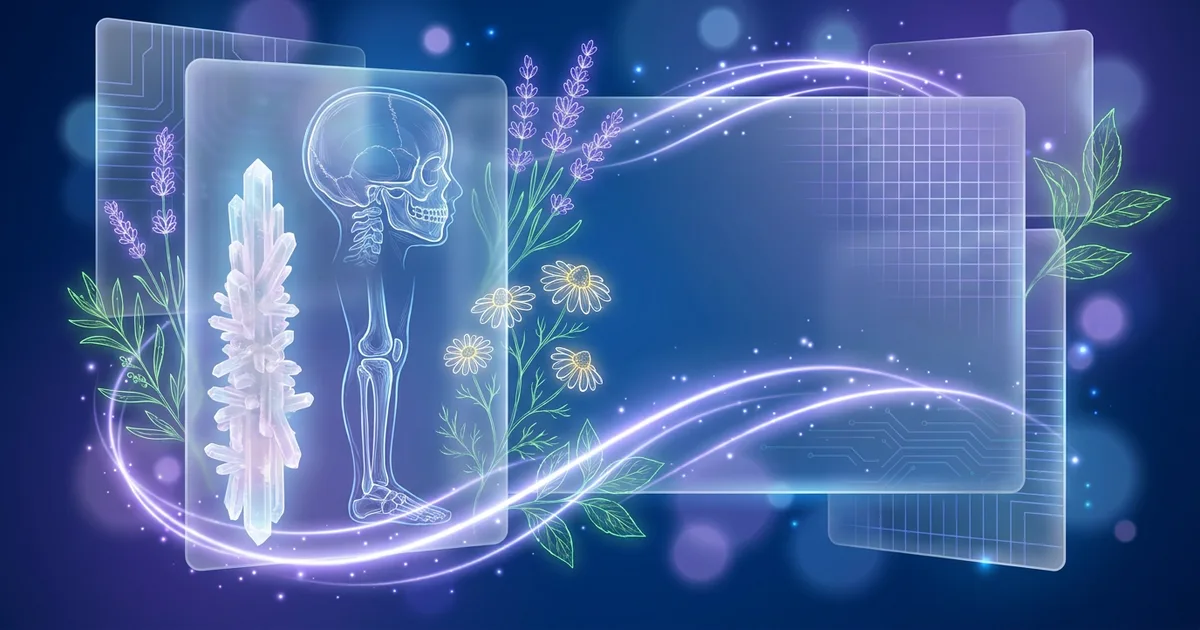

Silicea — צור טהור, נכתבת גם Silica ומופיעה בטקסטים הישנים כ-Silicea terra — היא הרמדי של מה שאינו מגיע לפתרון. המורסה שלעולם אינה מבשילה לגמרי או אינה נסגרת לגמרי. הקוץ שהגוף אינו מצליח לפלוט. השבר שאינו מתאחה, הצלקת שמתקשה, הילד שאינו משגשג. במקום שרמדיז אחרות פועלות על האירוע החריף, Silicea פועלת על התהליך שנתקע.
Boericke פותח במנגנון: "imperfect assimilation and consequent defective nutrition. It goes further and produces neurasthenic states in consequence, and increased susceptibility to nervous stimuli and exaggerated reflexes." כל השאר נובע מכך — העצמות החלשות, ההחלמה הירודה, הקרירות, התשישות, והשילוב המיוחד של שכל חד השוכן בגוף שאינו מצליח לעמוד בקצב שלו.
הביטוי המצוטט ביותר של הרמדי הוא גם של Boericke, והוא משחק מילים על המקור: "want of grit, moral or physical." צור הוא grit; למטופל Silicea אין ממנו. מדריך זה מציג את פרופיל הרמדי ללימוד קליני מתוך Materia Medica של Boericke, Dictionary של Clarke, Synoptic Key של Boger ו-Keynotes של Lippe. ניתן לקרוא את המקורות במלואם — Clarke's Silicea, Boericke's Silicea ו-Kent's Silicea — דרך המטריה מדיקה הדיגיטלית החינמית של Similia.
הטיפוס הקונסטיטוציוני של Silicea
השרטוט הקונסטיטוציוני של Boericke מתמקד בילד: "scrofulous, rachitic children, with large head, open fontanelles and sutures, distended abdomen, slow in walking." Boger נותן את אותה תמונה בשלוש משיכות מכחול — "large head, with wasted body," "big, hard or hot belly; with thin legs," ו-"arrested development. Late learning to walk."
המבוגר נושא קדימה את אותה חתימה. המבנה עדין ובתת-תזונה; גוון העור הוא, במילותיו של Boger, "fair, clear," או אצל Boericke, "delicate, pale, waxy." הציפורניים הן מקום מהימן לבדיקה: Boericke מונה "affections of finger nails, especially if white spots on nails," לצד ציפורניים מעוותות וחודרניות.
מבחינה תרמית הטיפוס אינו ניתן לטעות. Boericke: "Silica patient is cold, chilly, hugs the fire, wants plenty warm clothing, hates drafts, hands and feet cold, worse in winter. Lack of vital heat." הגרסה של Boger — "hugs the stove" — אומרת את אותו הדבר. רגישות רבה להתקררות מלווה זאת, ו-Lippe מוסיף את הסיבתיות הספציפית: "he catches cold easily, especially when he uncovers his feet and head."
שני סמנים קונסטיטוציוניים נוספים חשובים. הראשון, אי-סבילות לממריצים אלכוהוליים — Lippe מציין "congestion and thirst after drinking but little wine." השני, השפעות רעות של חיסון, ש-Boericke מדגיש בכתב נטוי ושנותר אחת האינדיקציות הקלאסיות לרמדי.
התמונה המנטלית והרגשית
נכנע ורפה לב. תסמין המפתח המנטלי של Boericke הוא רשימה קצרה: "yielding, faint-hearted, anxious. Nervous and excitable. Sensitive to all impressions." מטופל Silicea מצפה לכישלון. מול משימה — בחינה, הופעה, שיחה קשה — הוא משוכנע מראש שלא יצליח, והחרדה שלו ציפייתית יותר מאשר רטרוספקטיבית.
ובכל זאת עקשן. הסתירה לכאורה אמיתית ומתועדת בשני המקורות. Boericke מונה "obstinate, headstrong children" שורה אחרי "yielding"; Boger כותב "lacks grit" וכמה מילים אחר כך, "sullen and stubborn." הפתרון הוא שמטופל Silicea חסר ביטחון אך לא רצון. הוא לא ידחוף קדימה, אך יכול להיות בלתי ניתן להזזה כשדוחפים אותו.
חדות מנטלית עם חולשה פיזית. Boger אומר זאת בפשטות: "mental acuteness, with physical weakness or torpidity." האינטלקט שלם ולעיתים קרובות חד; הגוף וכוח העצבים אינם מחזיקים אותו. "brain-fag" ו-"prostration of mind and body" של Boericke מתארים מה קורה כשהמטופל מנסה.
רגישות לגירויים. Boger מדגיש זאת באותיות גדולות: "KEENLY SENSITIVE; to noise, pain or cold," ומוסיף רגישות לעוררות עצבית, לאור ולטלטול של עמוד השדרה. Boericke מציין דחייה מאור, "especially daylight," ורגישות לרעש עם שאון באוזניים.
רעיונות מקובעים. התסמין המנטלי הייחודי ביותר של הרמדי, מ-Boericke: "fixed ideas; thinks only of pins, fears them, searches and counts them." נדיר בפרקטיקה, אך ספציפי כל כך שנוכחותו כמעט מכריעה.
סהרוריות. Boericke מתעד "night-walking; gets up while asleep," עם קפיצות תכופות בשינה וחלומות חרדתיים; Boger מאשר "somnambulism" ו-"frightful dreams, wake him on falling to sleep."
זיקות פיזיות
הִתְמַגְּלוּת. זו הפתולוגיה המגדירה של הרמדי. Boericke: "suppurative processes... it is related to all fistulous burrowings. Ripens abscesses since it promotes suppuration." ובפרק העור, הביטוי שכל סטודנט זוכר: "every little injury suppurates." Boger מדגיש באותיות גדולות את אותו רעיון — "EVERY HURT FESTERS; stubborn suppuration; fistulæ; abscess; proud flesh; induration." המוגלה מסריחה; כיבים רגישים וכואבים, מצחינים וספוגיים.
פליטת גופים זרים. Boericke: Silicea "promotes expulsion of foreign bodies from tissues"; Boger: "extrudes foreign bodies." זו האינדיקציה המסורתית לקוצים, שיכים, גרגירים ושברים שנשארו, והיא הביטוי הקליני של פעולת הרמדי על רקמת החיבור.
עצם. "Diseases of bones, caries and necrosis," עם מחלת Pott, עששת חולייתית ואוסטאיטיס. Lippe מתעד "inflammation and swelling of the bones and caries in any part," ו-"non-tuberculous curvation of the spine." הגב חלש ו-"very susceptible to draughts."
רקמת צלקת והתקשות. Boericke: Silicea "can stimulate the organism to re-absorb fibrotic conditions and scar-tissue," עם גדילות קלואידיות, גידולים מוקשים וצלקות ש-"suddenly become painful." הביטוי של Boger לכל הנטייה הוא "slow, incomplete processes, then induration."
זיעה. שני מיקומים, שניהם אופייניים. הראש: "profuse sweat of head, offensive, and extends to neck" — Boger, "sweat; profuse; on upper parts; head." והרגליים: "offensive sweat on feet, hands, and axillæ," ש-Boger מחדד ל-"FOOT-SWEAT; FOUL; itching; acrid, destroying shoes; suppressed." זיעת הרגליים המדוכאת היא סיבתיות קלאסית — תלונות שמתחילות מהיעלמות פתאומית של הזעת רגליים רגילה.
פי הטבעת והצואה. אחד התסמינים המצוטטים ביותר במטריה מדיקה, מ-Boericke: "stool comes down with difficulty; when partly expelled, recedes again." הקיצור של Boger הוא "stools; receding." יש מאמץ רב, פי טבעת שצורב ונסגר על הצואה, ועצירות "always before and during menses." פיסטולה בפי הטבעת וסדקים כואבים עם עווית סוגר שייכים גם הם לכאן.
גרון ובלוטות. דלקת שקדים מורסית תקופתית; "pricking as of a pin in tonsil"; נפיחות של בלוטות הפרוטיד והצוואר, קשות וקרות. Lippe מציין "painless swelling of the glands with troublesome itching" ו-"suppuration of the glands."
פה. "Sensation of a hair on tongue" — תסמין קטן, מוזר ומאשר מאוד, ש-Boger מרחיב ל-"as of a hair on tongue, in throat." מורסה בשורש השיניים; חניכיים רגישות לאוויר קר.
קיבה. "Disgust for meat and warm food"; אצל Boger "averse to hot food" ובתינוקות, "averse to mother's milk; vomits it." הצמא מוגזם.
נשימה. הצטננויות שאינן נכנעות, עם ליחה "persistently muco-purulent and profuse"; התאוששות איטית אחרי דלקת ריאות; "violent cough when lying down, with thick, yellow lumpy expectoration." Boericke מתעד את הפרט הזכיר של פליטת "little granules like shot, which, when broken, smell very offensive."
עיניים. שעורות, נפיחות של צינור הדמעות, כיב קרנית מנקב או נמקי, ועכירות בקרנית בעקבות קרטיטיס — שעבורה Boericke מייעץ פוטנציה 30 "for months."
מודליות עיקריות
החמרה מ:
- קור בכל צורה — אוויר קר, משבי אוויר, לחות, רחצה, שטיפה
- היחשפות, במיוחד של הרגליים והראש
- זיעת רגליים שנעצרה או דוכאה
- מולד הירח / שינוי הירח — מחזוריות בלתי רגילה ש-Boericke מתעד במפורש
- בוקר; לילה; שכיבה; שכיבה על צד שמאל
- במהלך הווסת
- רעש, אור, טלטול עמוד השדרה, עוררות עצבית
- מאמץ מנטלי; אלכוהול
הטבה מ:
- חום בכלל, ו-עטיפת הראש בחום בפרט
- קיץ, ומזג אוויר רטוב או לח
- לחץ על הראש
- מתן שתן שופע
מודליות הראש ראויה לבידוד משום שהיא ספציפית כל כך. כאב ראש שמתחיל בעורף, מתפשט קדימה ומתמקם מעל העיניים, מוקל מעטיפת הראש בחום ומלחץ, במטופל קריר, הוא Silicea עד שיוכח אחרת. "daily headache beginning in the neck" של Lippe מתאר את אותה תבנית.
תסמיני מפתח
- חוסר חוסן — נכנע, רפה לב, מצפה לכישלון, אך עקשן
- כל פציעה קטנה מוגלת; מורסות עקשניות, פיסטולות, ריפוי איטי
- מעודדת פליטת גופים זרים — קוצים, שיכים, גרגירים
- קרירות ניכרת; חוסר חום חיוני; נצמד לאש; שונא משבי אוויר
- זיעת ראש שופעת ומסריחה, המתפשטת לצוואר
- זיעת רגליים חריפה ומצחינה שהורסת נעליים; תלונות מדיכויה
- הצואה הנסוגה — נפלטת חלקית, ואז מחליקה בחזרה
- תחושה של שערה על הלשון
- דקירה כמו סיכה בשקד
- כתמים לבנים על הציפורניים; ציפורניים מעוותות או חודרניות
- כאב ראש מהעורף לעיניים, מוטב מעטיפת הראש בחום
- החמרה במולד הירח
- חלקים ששוכבים עליהם נרדמים
- אי-סבילות לאלכוהול; סלידה מבשר ומאוכל חם
יישומים קליניים
מורסות, שחינים וזיהומי קצה האצבע. האינדיקציה המרכזית. Silicea מתאימה לשלב שבו ההִתְמַגְּלוּת מבוססת אך אינה נפתרת — המורסה שמפרישה מוגלה דלילה ומסריחה ומסרבת להיסגר, ה-whitlow, השחין החוזר. Boericke מציין שהיא "ripens abscesses," ולכן ניתן להשתמש בה גם כדי להביא נפיחות איטית, קרה ועצלה להבשלה.
פיסטולות וסינוסים. פיסטולה בפי הטבעת, סינוסים דנטליים, כיבים פיסטולוזיים של השד, אוזניים מפרישות כרונית. Lippe מונה "of marked usefulness in running ears and fistula lachrymalis" ו-"psoas abscess."
גופים זרים שנשארו. קוצים, שיכים וחומר זר קטן אחר שהרקמה כיתרה במקום לפלוט.
כישלון לשגשג בילדים. ראש גדול, מרפסים פתוחים, בטן תפוחה, גפיים דקות, הליכה מאוחרת, הטמעה ירודה, ראש מזיע בלילה. התמונה הקלאסית של Boericke לילד הרכיטי.
עצירות כרונית. הצואה הנסוגה עם עווית סוגר, מאמץ והחמרה לפני הווסת ובמהלכה.
דלקת שקדים חוזרת ודלקת שקדים מורסית. תקופתית, עם תחושת דקירת הסיכה, במטופל קריר עם בלוטות צוואר נפוחות.
השפעות רעות של חיסון. אינדיקציה מסורתית ש-Boericke מציין ישירות, לצד Thuja — השתיים משלימות ברשימת היחסים שלו.
כיבי קרנית ועכירויות. עם ההוראה הספציפית להשתמש בפוטנציה 30 לאורך תקופה ממושכת.
אבחנה מבדלת
Silicea מול Hepar sulphuris. שתיהן קרירות, רגישות יתר ומוגלתיות, ו-Boericke מציין ש-Silicea עוקבת היטב אחרי Hepar. Hepar שייכת לשלב הכואב החריף — כאבים כמו קוץ, רגישות קיצונית למגע, עצבנות הגובלת באלימות. Silicea שייכת לשלב הכרוני והעצל — פחות כאב, יותר התקשות, מטופל נכנע יותר מאשר כועס.
Silicea מול Calcarea carbonica. שתיהן מתאימות לילד הסקרופולוטי עם ראש גדול, מרפסים פתוחים, זיעת ראש והתפתחות איטית, ו-Silicea עוקבת היטב אחרי Calcarea. Calcarea היא שמנה, רפויה, בהירה ואיטית, עם זיעה לחה ודביקה ותשוקות לביצים ולדברים שאינם ניתנים לעיכול. Silicea היא רזה, עדינה ובתת-תזונה, עם זיעת רגליים חריפה, הִתְמַגְּלוּת וחדות מנטלית על רקע חולשה גופנית.
Silicea מול Pulsatilla. שתיהן עדינות, נכנעות ומתרגשות בקלות, ו-Boericke מונה אותן כמשלימות. Pulsatilla חמת-דם, חסרת צמא, משתנה ומוטבת באוויר הפתוח; Silicea קרירה, צמאה, קבועה בתסמיניה ומוחמרת מכל משב אוויר. נחמה עוזרת ל-Pulsatilla; Silicea פשוט רוצה להיות חמה.
Silicea מול Sulphur. בשתיהן משתמשים במרשמים כרוניים ועמוקי-פעולה עם מעורבות עורית ומוגלתית. Sulphur חמת-דם, פולטת חום, בועטת את השמיכות ושורפת בקודקוד ובכפות הרגליים; Silicea קרה, מתעטפת, ונצמדת לאש. הניגוד התרמי הזה לבדו בדרך כלל מכריע את הבחירה.
אזהרת יחסים. Boericke מציין ש-Mercurius ו-Silicea אינן עוקבות היטב זו אחר זו — כדאי לזכור זאת כשמתכננים רצף רמדיז במקרה כרוני.
טיפים לרפרטוריזציה
הרובריקות האלה נושאות את Silicea בדרגה גבוהה:
- Mind; TIMIDITY; bashful ו-Mind; IRRESOLUTION — מכלול ה-"want of grit"
- Mind; ANXIETY; anticipation, from — לעיתים קרובות עם Gelsemium ו-Lycopodium
- Generalities; SUPPURATION; tendency to
- Generalities; WOUNDS; suppurating
- Rectum; CONSTIPATION; difficult stool; receding — רובריקה קטנה ומאשרת מאוד
- Perspiration; OFFENSIVE; foot sweat ו-Feet; PERSPIRATION; offensive, acrid
- Generalities; COLD; air; agg. ו-Generalities; DRAFT; agg.
- Head; PERSPIRATION; scalp, of
- Head; PAIN; wrapping up head; amel.
- Mouth; SENSATION; hair, of, on tongue
- Throat; PAIN; splinter, as from a
- Generalities; MOON; new moon; agg.
השילוב הפורה מחבר רובריקה מנטלית (ביישנות פחדנית, חרדת ציפייה) עם שני הכלליים הפיזיים שמגדירים את הרמדי — קרירות עם החמרה ממשבי אוויר, והנטייה להִתְמַגְּלוּת. הוסיפו אחת מהרובריקות המאשרות הקטנות, כמו הצואה הנסוגה או השערה על הלשון, ו-Silicea נפרדת בבירור מ-Calcarea ומ-Hepar. המדריך שלנו למתחילים לרפרטוריזציה מציג את השיטה בפירוט רב יותר.
העמקת הלימוד
Silicea מתגמלת קריאה רוחבית בין מחברים, משום שכל אחד מתעד משהו שהאחרים מצמצמים:
- Boericke מספק את הפתולוגיה, התמונה הקונסטיטוציונית וביטוי ה-"want of grit", בנוסף לאזהרות המעשיות על פוטנציה ועל phthisis
- Boger's Synoptic Key נותן את מסלול החזרה המהיר ביותר; "EVERY HURT FESTERS" ו-"slow, incomplete processes, then induration" הם כל הרמדי בשתי שורות
- Clarke's Dictionary מחזיק את האוסף המלא ביותר של תסמיני פרובינג ותסמינים קליניים, והוא המקור שמחפשים לרוב לפי שם
- Lippe's Keynotes משמר את הסיבתיות — חשיפת הרגליים והראש, יין, זיעת רגליים מדוכאת
- Kent's Lectures מפתחות את המצב המנטלי ואת היחס בין פני השטח הנכנעים לבין העקשנות שבבסיס
ניתן לקרוא את כל אלה זה לצד זה עבור כל רמדי דרך המטריה מדיקה הדיגיטלית החינמית של Similia. כדי למקם את Silicea בין עמיתותיה, ראו את המדריך ל-רמדיז הפוליקרסט החיוניות, או קראו כיצד מטריה מדיקה ורפרטורי עובדים יחד בניתוח מקרה.