

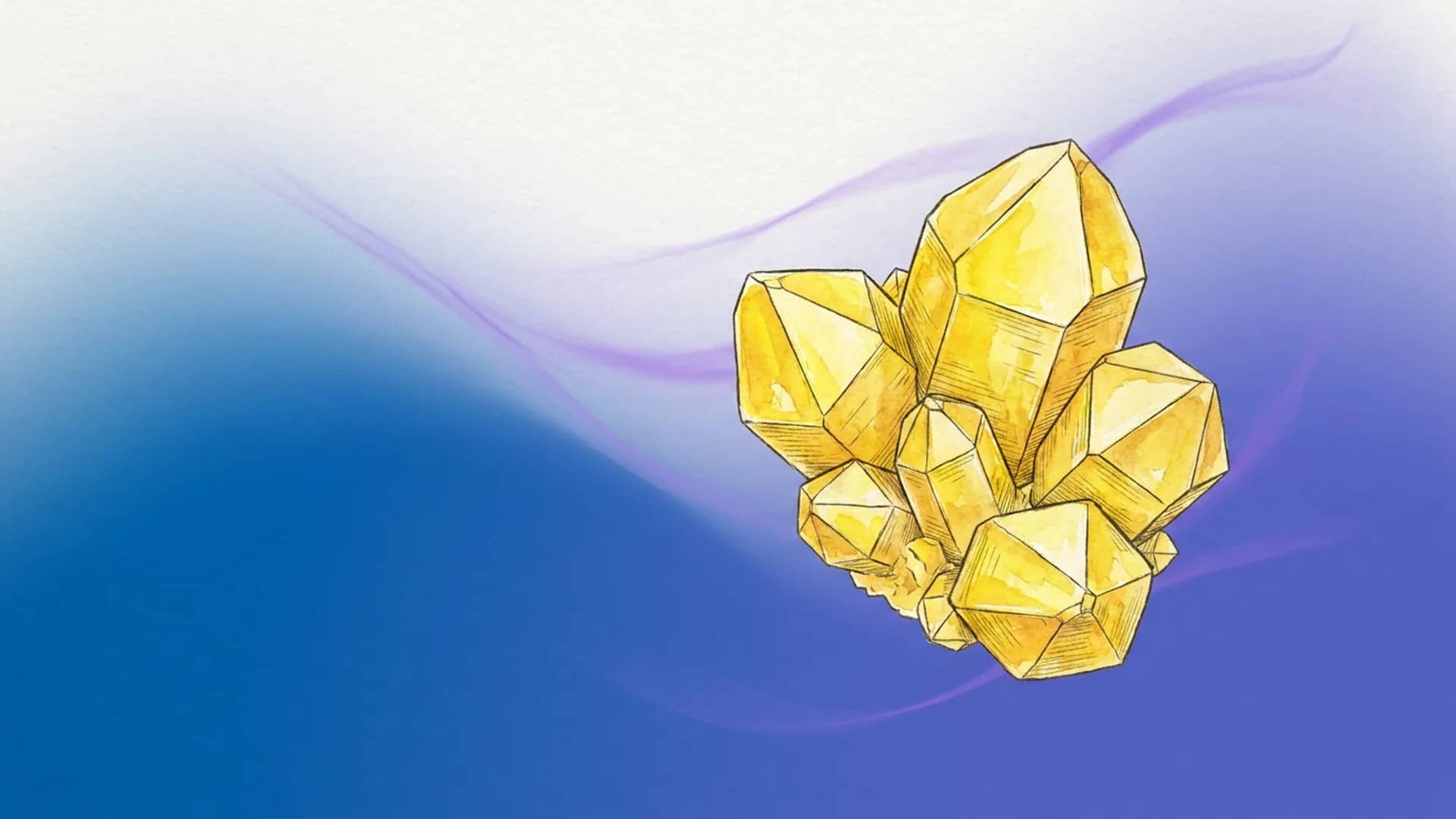
Sulphur è il principale policresto e il principale rimedio antipsorico dell'omeopatia classica, preparato da zolfo sublimato e caratterizzato da sensazioni di bruciore, aggravamento dal calore e dal calore del letto, prurito voluttuoso peggiorato dal lavarsi e un tipo costituzionale disordinato, intellettualmente assorto. Boericke lo definisce "il grande antipsorico hahnemanniano" e, tra le Lectures di Kent, il Dictionary di Clarke, i Keynotes di H.C. Allen e le Key-Notes di Guernsey, presenta uno dei capitoli più lunghi e clinicamente importanti dell'intera materia medica. Nessun singolo rimedio viene citato più spesso quando i professionisti ragionano sulla malattia cronica, sulla reazione torpida e sul miasma psorico.
Per studenti e professionisti, padroneggiare Sulphur fa molto più che aggiungere un rimedio alla cassetta degli strumenti prescrittivi. Poiché il suo quadro sintomatologico tocca quasi ogni sistema d'organo e va dallo stato mentale più profondo alla superficie della pelle, imparare a riconoscere Sulphur educa l'occhio a leggere la totalità. Quando si riesce a vedere come la sua indolenza mentale, i generali calorosi, le sensazioni di bruciore e le modalità caratteristiche si coagulano in un unico tipo riconoscibile, lo stesso riconoscimento di pattern si trasferisce a ogni altro rimedio che si studia.
Questa guida offre un profilo completo di Sulphur per lo studio clinico e l'analisi dei casi. Si basa sulle fonti classiche — il lavoro antipsorico di Hahnemann, le lezioni di Kent, il Dictionary di Clarke, le note cliniche concise di Boericke e i keynotes di H.C. Allen — per presentare il rimedio in un formato che supporti sia il ripasso per gli esami sia il lavoro repertoriale. Per i testi originali completi affiancati, puoi esplorare il rimedio tramite la materia medica digitale gratuita di Similia, inclusi Sulphur nella Materia Medica di Boericke e la voce completa nel Dictionary di Clarke.
Il tipo costituzionale Sulphur
La costituzione classica di Sulphur è quella del "filosofo in stracci" — magro, con le spalle curve e trasandato, spesso incurante dell'aspetto, ma intellettualmente assorto e incline alla speculazione. Questi pazienti possono essere brillanti teorici che lasciano scivolare la vita pratica, con case disordinate, abiti disordinati e una notevole indifferenza per il modo in cui gli altri li vedono. H.C. Allen registra che stare in piedi è la posizione peggiore per il paziente Sulphur, che non riesce a stare a lungo in piedi e si incurva o si appoggia quando possibile.
Soprattutto, il tipo Sulphur è caloroso. Di notte getta via le coperte, spinge i piedi fuori dalle lenzuola per raffreddare le piante brucianti, cerca l'aria aperta e si sente peggio in una stanza calda o in un letto caldo. Questa firma termica è così affidabile da diventare la prima cosa da confermare o escludere quando Sulphur è preso in considerazione.
È importante riconoscere che due quadri fisici apparentemente opposti appartengono entrambi a Sulphur. C'è il tipo da manuale robusto, pletorico, dal viso rosso, con mani e piedi caldi e buon appetito; e c'è il tipo logorato, emaciato, con assimilazione difettosa, che mangia bene ma non prospera, appare sporco e malsano e sembra deperire nonostante il nutrimento. Entrambi sono Sulphur validi. La sola costituzione non prescrive — decide la totalità di mentali, generali e modalità.
Quadro mentale ed emotivo
I sintomi mentali di Sulphur sono caratteristici quanto quelli fisici e spesso guidano la prescrizione nei casi cronici.
Teorizzazione e "filosofo in stracci"
La mente Sulphur è assorta nella speculazione e nelle idee. Questi pazienti costruiscono teorie, rimuginano su questioni filosofiche o religiose e possono essere così presi dal loro mondo interiore che gli aspetti pratici e l'aspetto personale scompaiono del tutto. L'immagine classica del filosofo in stracci — immerso in grandi pensieri mentre è vestito di stracci — coglie precisamente il tipo.
Egoismo, orgoglio e compiacimento
Un keynote mentale distintivo di Sulphur è il compiacimento di sé: il paziente è soddisfatto di se stesso e delle proprie circostanze anche quando altri non lo sarebbero. Le vecchie descrizioni lo esprimono in modo memorabile — "persino gli stracci gli sembrano belli". C'è qui un autentico orgoglio e una considerazione di sé, un senso incrollabile che le proprie idee e i propri beni vadano bene così come sono. Questo contrasta nettamente con i rimedi la cui immagine di sé è fragile.
Indolenza e avversione al lavoro
L'indolenza è uno dei mentali più forti di Sulphur. Il paziente è poco incline al lavoro, mentalmente e fisicamente pigro, e lascia cadere e scivolare le cose. Non è la pesante paralisi del dolore né l'ottusità della febbre acuta; è una disinclinazione costituzionale — troppa fatica iniziare, troppa fatica riordinare, troppa fatica finire. Va distinta con cura dai veri stati depressivi, in cui la perdita di spinta porta un colore emotivo molto diverso.
Critico, irritabile e frettoloso
Accanto all'indolenza filosofica corre una vena irritabile e critica. Molti pazienti Sulphur sono marcatamente lenti e irritabili al risveglio, faticano ad avviarsi al mattino e si infastidiscono facilmente. In certi momenti può esserci anche una qualità frettolosa — impaziente, collerica — che coesiste con la pigrizia di fondo invece di contraddirla.
Affinità fisiche (dalla testa ai piedi)
La sfera d'azione di Sulphur è enorme, ma diverse regioni spiccano come terreno proprio del rimedio.
Pelle — la sfera centrale di Sulphur
La pelle è l'affinità più caratteristica di Sulphur. Il quadro è quello di una pelle secca, ruvida, squamosa, malsana, con intenso prurito voluttuoso: il paziente si gratta con piacere finché la superficie brucia, pizzica o sanguina. Le eruzioni sono tipicamente peggiori dal lavarsi e dal calore del letto, tanto che il bagno aggrava e il prurito diventa intollerabile quando il paziente si scalda sotto le coperte. Foruncoli ricorrenti che compaiono a raccolti, ogni piccola ferita che tende a suppurare e una generale qualità malsana della pelle appartengono tutti a questo quadro. Le eruzioni soppresse — malattie cutanee spinte verso l'interno da trattamenti esterni — sono una classica considerazione Sulphur nella storia cronica.
Calore e bruciore
Le sensazioni di bruciore attraversano tutto il rimedio. C'è bruciore al vertice della testa, bruciore degli occhi, vampate di calore e soprattutto le famose piante dei piedi brucianti che spingono il paziente a scoprirle di notte. L'arrossamento degli orifizi è un altro generale fisico affidabile: labbra rosse, margini palpebrali rossi, ano rosso, parti esterne rosse e brucianti. Ovunque Sulphur agisca, il tessuto tende a sentirsi caldo e ad apparire rosso.
Digestione
I keynotes digestivi sono distintivi. Il paziente Sulphur sperimenta classicamente una sensazione di vuoto, sprofondamento, svenimento allo stomaco alle 11 del mattino — una fame debole e improvvisa che deve essere soddisfatta. L'appetito può essere vorace o capriccioso, e ci sono avversioni e aggravamenti caratteristici da mappare caso per caso. Il rimedio è anche uno dei grandi rimedi della diarrea del primo mattino: una scarica improvvisa e urgente intorno alle 5 del mattino che spinge il paziente fuori dal letto, spesso con rossore e bruciore dell'ano.
Secrezioni
Tutte le secrezioni di Sulphur tendono a essere acri, escorianti e offensive. Sudore, feci, leucorrea, secrezione nasale — tutto inclina verso un odore offensivo, talvolta intollerabile, e verso l'escoriazione delle parti che tocca. Questa tendenza generale all'offensività è un utile filo confermativo tra presentazioni cliniche molto diverse.
Modalità chiave
Le modalità di Sulphur sono tra le più estraibili e decisive della materia medica. La modalità definente di Sulphur è l'aggravamento dal calore — specialmente dal calore del letto — con miglioramento nell'aria aperta secca e calda; stare in piedi è descritto come la posizione peggiore per il paziente Sulphur.
Peggiora da:
- Calore del letto — l'aggravamento più caratteristico in assoluto; il prurito e il calore diventano intollerabili sotto le coperte
- Calore in generale e una stanza calda e soffocante
- Lavarsi e fare il bagno — l'acqua aggrava la pelle e il paziente può averne avversione
- Stare in piedi — descritto come la posizione peggiore
- Intorno alle 11 del mattino — lo stomaco vuoto e svenente
- Soppressione — specialmente eruzioni soppresse, ma anche secrezioni soppresse
- Tempo variabile e dopo il sonno (spesso peggio al risveglio)
Migliora da:
- Tempo secco e caldo
- Aria aperta — sollievo uscendo all'aria fresca
- Sdraiarsi sul lato destro
- Movimento (relativamente, in alcuni disturbi)
La firma clinica da fissare nella memoria è la combinazione di aggravamento dal calore più sollievo all'aria aperta, che distingue immediatamente Sulphur dai rimedi freddolosi i cui pazienti desiderano il calore e temono una corrente d'aria.
Sintomi keynote
Quando diversi di questi compaiono insieme, Sulphur dovrebbe venire fortemente in mente:
- Aggravamento dal calore del letto
- Piante dei piedi brucianti; piedi scoperti di notte per raffreddarli
- Fame sprofondante e svenente alle 11 del mattino allo stomaco
- Diarrea del primo mattino (intorno alle 5) che spinge fuori dal letto
- Prurito voluttuoso peggiore dal lavarsi, grattamento finché brucia o sanguina
- Secrezioni offensive, acri, escorianti
- Arrossamento degli orifizi (labbra, ano, margini palpebrali)
- Disturbi ricorrenti e recidivanti e raccolti di foruncoli
- Lo stato mentale trasandato, filosofico, compiaciuto di sé, indolente
Sulphur come rimedio di reazione e ruolo antipsorico
Oltre al proprio quadro sintomatologico, Sulphur occupa un posto strategico speciale nella prescrizione classica come grande antipsorico e rimedio di reazione. La letteratura classica descrive il suo uso per risvegliare un caso che reagisce in modo torpido — una situazione in cui un rimedio ben scelto si è arrestato e l'organismo sembra incapace di rispondere. Come concetto di studio, questa è una delle idee più importanti collegate a un singolo rimedio: si ricorre a Sulphur non perché la diagnosi lo richieda, ma perché il caso ha smesso di muoversi e la totalità del più profondo sfondo psorico lo richiede.
È anche qui che si colloca la classica rotazione Sulphur–Calcarea carbonica–Lycopodium. Questi tre antipsorici sono intesi come rimedi che si seguono l'un l'altro in un ordine caratteristico nella gestione cronica, con la cautela tradizionale secondo cui Sulphur non va somministrato immediatamente prima di Lycopodium. Considera tutto questo rigorosamente come un quadro di studio e strategia per comprendere le relazioni tra rimedi — mai come un'istruzione di dosaggio.
Applicazioni cliniche
Come per ogni policresto, Sulphur si prescrive sulla totalità, non sulla diagnosi. Le intestazioni cliniche qui sotto descrivono situazioni in cui il quadro Sulphur emerge comunemente — sempre a condizione che keynotes, generali e modalità corrispondano.
Condizioni cutanee ricorrenti e recidivanti. Dove la totalità corrisponde — prurito voluttuoso peggiore dal lavarsi e dal calore del letto, pelle secca e malsana, arrossamento degli orifizi, uno stato generale caloroso e il quadro mentale caratteristico — eczema cronico, foruncoli ricorrenti a raccolti e stati cutanei recidivanti simili rientrano nella sfera di Sulphur.
Casi che non mantengono un rimedio. Quando un rimedio ben indicato agisce solo brevemente o il caso recidiva ripetutamente, il concetto di reazione torpida porta Sulphur in considerazione come antipsorico più profondo, sempre rigorosamente sulla totalità.
Disturbi cronici in costituzioni trasandate e calorose. Lo stato mentale del filosofo in stracci combinato con i generali calorosi e le sensazioni di bruciore orienta verso Sulphur in un'ampia gamma di presentazioni croniche.
Convalescenza con scarsa reazione. Quando la guarigione si arresta e l'organismo reagisce debolmente, con i generali di Sulphur presenti, il ruolo del rimedio nel risvegliare la reazione diventa rilevante — come considerazione di studio e strategia, mai come istruzione di autosomministrazione.
Diagnosi differenziale
Diversi rimedi condividono caratteristiche superficiali con Sulphur, e le distinzioni più fini decidono la prescrizione.
Sulphur vs. Psorinum
Sulphur e Psorinum si confondono facilmente perché entrambi sono pruriginosi e trasandati, ma Sulphur è caloroso e compiaciuto di sé, mentre Psorinum è intensamente freddoloso e disperato e si sente meglio dopo aver mangiato e lavandosi. Il paziente Sulphur è orgoglioso — "gli stracci gli sembrano belli" — e getta via le coperte; il paziente Psorinum è disperato, teme che la guarigione sia impossibile e si copre contro un freddo interiore anche con tempo caldo. Temperatura e prospettiva li separano nettamente.
Sulphur vs. Lycopodium
Sulphur e Lycopodium si collocano sullo stesso asse antipsorico e sono legati nella rotazione classica, con la cautela permanente che Sulphur non va somministrato immediatamente prima di Lycopodium. Il contrasto mentale è la guida più sicura: Lycopodium porta una mancanza anticipatoria di fiducia — timore dei nuovi compiti e paura di crollare in pubblico nonostante reali capacità — mentre la considerazione di sé di Sulphur è autentica e indisturbata. La lateralità destra di Lycopodium, l'aggravamento del tardo pomeriggio (intorno alle 16–20) e il desiderio di dolci lo distinguono ulteriormente.
Sulphur vs. Calcarea Carbonica
Sulphur, Calcarea carbonica e Lycopodium formano la triade antipsorica classica. Calcarea è tipicamente freddolosa, flaccida e facilmente affaticabile, con sudore profuso e vischioso (specialmente alla testa), desiderio di uova e sostanze indigeste, e un temperamento ansioso in cerca di sicurezza. Sulphur è il suo corrispettivo caloroso, trasandato e compiaciuto di sé. Temperatura, tipo corporeo e schema di reazione di solito decidono, e i due spesso si alternano lungo un lungo caso cronico più che competere per una singola prescrizione.
Suggerimenti per la repertorizzazione
Quando repertorizzi un caso che può richiedere Sulphur, questi ancoraggi rubricari sono particolarmente affidabili:
- Mind; THEORIZING — il mentale del filosofo in stracci
- Mind; INDOLENCE; aversion to work — una rubrica costituzionale centrale
- Generalities; HEAT; flushes of — il generale caloroso
- Generalities; WARM; bed; agg. — la modalità definente
- Stomach; APPETITE; ravenous; 11 a.m. — il keynote della fame sprofondante
- Rectum; DIARRHŒA; morning; early, driving out of bed — la scarica delle 5 del mattino
- Skin; ITCHING; washing; agg. — il prurito voluttuoso peggiore dall'acqua
- Extremities; BURNING; soles; night; uncovers them — il keynote dei piedi brucianti
Quando repertorizzi un caso con strumenti digitali, combinare l'indolenza mentale e la teorizzazione con i generali calorosi e le modalità cutanee e di prurito farà tipicamente emergere Sulphur con forza se il rimedio è ben indicato. L'arte sta nel lasciare che i generali e le modalità caratteristiche portino il peso, invece di fare eccessivo affidamento sui particolari comuni.
Approfondire lo studio
Sulphur è il rimedio che più ripaga il ritorno ripetuto allo studio. Poiché il suo quadro è così ampio, ogni autore classico illumina una sfaccettatura diversa, e leggerli fianco a fianco costruisce la comprensione tridimensionale che nessun singolo riassunto può dare:
- Dictionary di Clarke offre la compilazione più completa dei sintomi da proving e clinici
- Materia Medica di Boericke fornisce una panoramica concisa e orientata alla clinica, ideale per una consultazione rapida
- Lectures di Kent porta vividamente in vita il quadro mentale ed emotivo
- Keynotes di H.C. Allen distilla il rimedio in elementi essenziali pronti per l'esame
- Key-Notes di Guernsey affina i peculiari caratteristici
Studia Sulphur nel modo in cui lo prescriveresti. Apri il rimedio nella materia medica digitale gratuita di Similia e leggi Kent, Clarke, Boericke e H.C. Allen fianco a fianco, poi passa direttamente alla ricerca repertoriale semantica per testare le rubriche sopra su un caso reale. L'analisi dei casi con IA di Similia mappa automaticamente le tue note cliniche su rubriche candidate, così un quadro Sulphur emerge dalla totalità invece che dalla memoria — materia medica e repertorio sono gratuiti, con analisi IA disponibile su Pro. Per un contrasto didattico, affianca il caloroso Sulphur al freddoloso profilo di Arsenicum album, e rivedi dove si colloca Sulphur tra i rimedi policresti essenziali e come materia medica e repertorio lavorano insieme nella pratica quotidiana. E una volta confermato Sulphur, la prescrizione ha ancora bisogno di una posologia: la nostra guida alla potenza omeopatica mappa 30C vs 200C vs 1M al tipo di caso, e la guida alle potenze LM copre il metodo cinquanta-millesimale più dolce, adatto al lavoro antipsorico profondo nei pazienti sensibili.
Domande frequenti
A cosa serve Sulphur in omeopatia?
Sulphur è il principale policresto e il principale antipsorico dell'omeopatia classica, studiato in una gamma molto ampia di disturbi cronici e recidivanti quando la totalità corrisponde. I professionisti vi ricorrono specialmente in costituzioni calorose e trasandate con sensazioni di bruciore, prurito voluttuoso e reazione torpida — sempre prescritto sulla totalità dei sintomi, mai sulla sola diagnosi.
Quali sono i sintomi keynote di Sulphur?
I principali keynotes di Sulphur sono aggravamento dal calore del letto, piante dei piedi brucianti con piedi scoperti di notte, fame sprofondante alle 11 del mattino, diarrea del primo mattino che spinge il paziente fuori dal letto, prurito voluttuoso peggiore dal lavarsi, secrezioni acri offensive, arrossamento degli orifizi e uno stato mentale trasandato, filosofico, compiaciuto di sé e indolente.
Quali sono le principali modalità di Sulphur (meglio e peggio)?
La modalità definente di Sulphur è l'aggravamento dal calore — specialmente dal calore del letto — con miglioramento nell'aria aperta secca e calda. Il paziente peggiora anche dal lavarsi, dallo stare in piedi (descritto come la posizione peggiore), intorno alle 11 del mattino e dalla soppressione delle eruzioni, e migliora all'aria fresca aperta.
Qual è il tipo costituzionale Sulphur?
Il tipo classico Sulphur è il "filosofo in stracci": magro, con le spalle curve, trasandato e indifferente all'aspetto, ma intellettualmente assorto e compiaciuto di sé. Soprattutto, il tipo è caloroso — getta via le coperte e scopre i piedi di notte. A Sulphur appartiene anche una variante logorata, emaciata, con assimilazione difettosa; decide la totalità, non il tipo corporeo.
Qual è la differenza tra Sulphur e Psorinum?
Sulphur e Psorinum si confondono facilmente perché entrambi sono pruriginosi e trasandati, ma Sulphur è caloroso e compiaciuto di sé, mentre Psorinum è intensamente freddoloso e senza speranza e si sente meglio dopo aver mangiato e lavandosi. Sulphur getta via le coperte e si sente orgoglioso; Psorinum si copre, dispera della guarigione e si sente infreddolito anche con tempo caldo.
Perché Sulphur è chiamato rimedio antipsorico o di "reazione"?
Sulphur è il principale antipsorico del quadro delle malattie croniche di Hahnemann ed è classicamente usato come rimedio di reazione per risvegliare un caso che ha smesso di rispondere, quando un rimedio ben scelto si è arrestato. È anche centrale nella rotazione Sulphur–Calcarea–Lycopodium. Questi sono concetti di studio e strategia sulle relazioni tra rimedi, non istruzioni di dosaggio.
Quali fonti classiche di materia medica trattano Sulphur?
Sulphur ha un capitolo completo in ogni grande fonte classica: Materia Medica di Boericke (clinica concisa), Lectures di Kent (quadro mentale), Dictionary di Clarke (il più completo), Keynotes di H.C. Allen (essenziali pronti per l'esame) e Key-Notes di Guernsey. Tutte queste possono essere lette fianco a fianco nella materia medica digitale gratuita di Similia.
Quali rubriche repertoriali fanno emergere Sulphur con forza?
Rubriche forti di Sulphur includono Mind; THEORIZING, Mind; INDOLENCE; aversion to work, Generalities; HEAT; flushes of, Generalities; WARM; bed; agg., Stomach; APPETITE; 11 a.m., Rectum; DIARRHŒA; morning, early, Skin; ITCHING; washing; agg., and Extremities; BURNING; soles; night; uncovers. Combinare l'indolenza mentale con i generali calorosi e le modalità cutanee fa emergere Sulphur in modo affidabile quando è indicato.