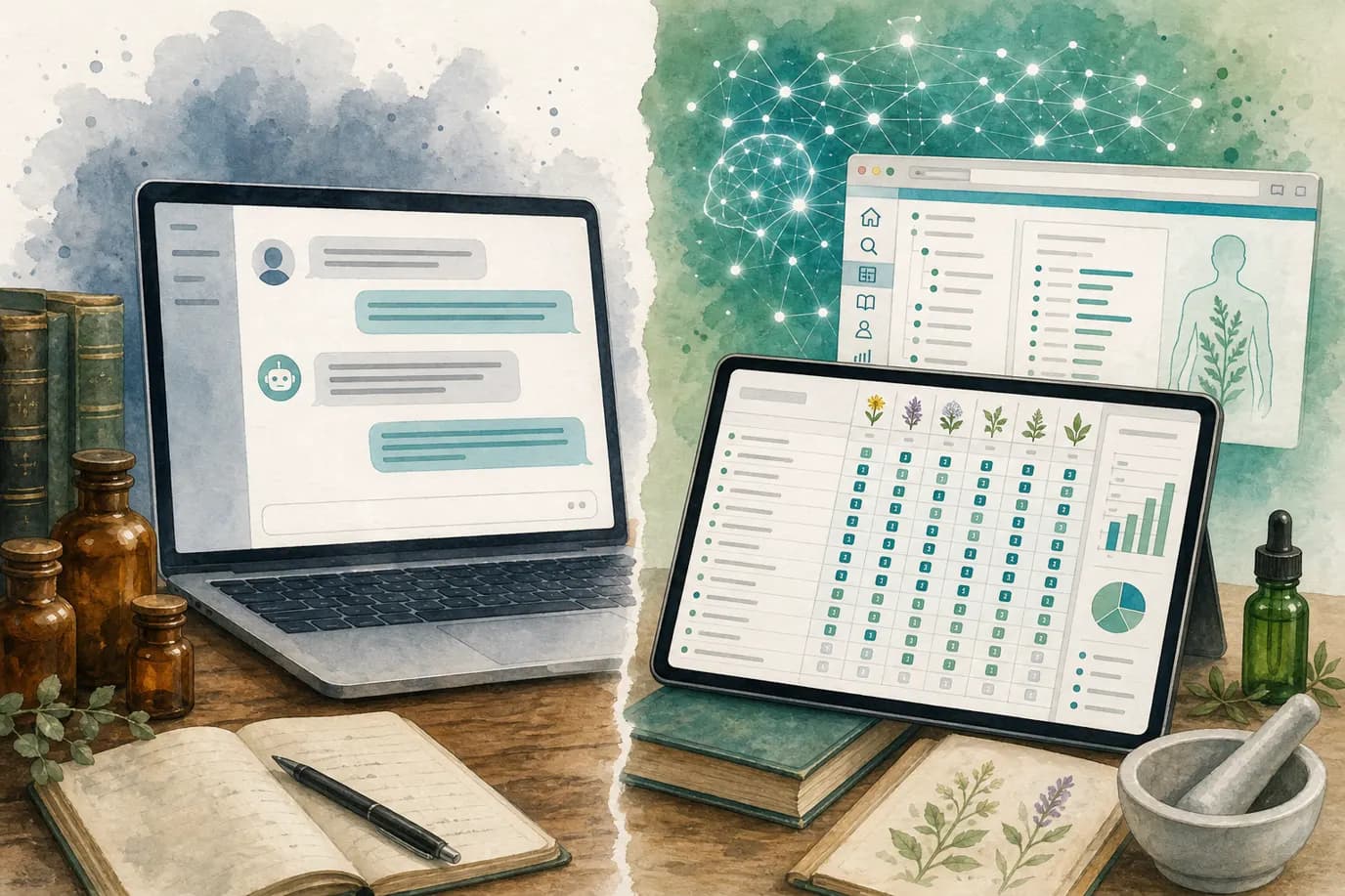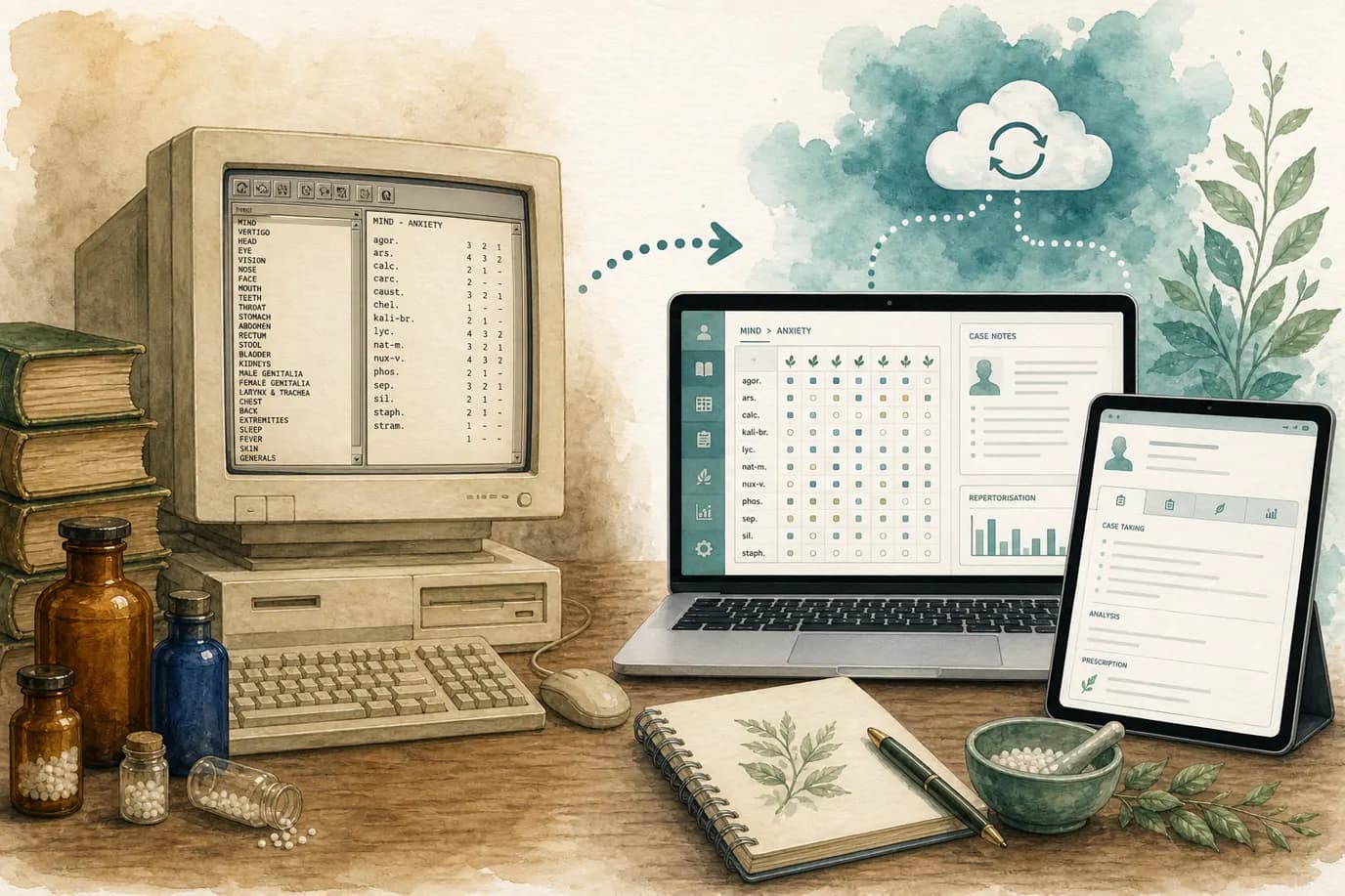

Кратко: ИИ ускоряет выбор препарата на трёх этапах: при поиске рубрик по смыслу, извлечении симптомов из заметок и расшифровке консультации в реальном времени. Он не заменяет выстраиваемую практиком иерархию симптомов, а показатель совпадения в 59% в исследовании HOHM показывает, почему каждое предложение по-прежнему необходимо проверять.
Гомеопатия — это система медицины, основанная более чем на двух столетиях клинических наблюдений, подробных испытаний препаратов и тщательного ведения записей о случаях. Практики всегда работали с огромными объёмами данных — тысячами препаратов, десятками тысяч симптомов и постоянно растущим массивом материи медика, охватывающим десятки авторитетных трудов. На протяжении большей части этой истории для поиска нужной информации приходилось перелистывать тяжёлые тома, вручную сверять источники и полагаться на память и клиническую интуицию, чтобы увидеть взаимосвязи.
Теперь в эту область входит искусственный интеллект, и вызванная им дискуссия одновременно увлекательна и для некоторых некомфортна. Может ли технология, основанная на распознавании закономерностей и обработке естественного языка, действительно поддержать лечебную традицию, в которой индивидуальность ценится превыше всего? Как начинают показывать новые исследования и реальная практика, ответ — осторожное, но обнадёживающее «да», при условии, что ИИ рассматривается как клинический помощник, а не как замена профессиональному суждению практика.
В этой статье рассматривается, что ИИ реально способен делать в гомеопатии сегодня, что новейшие исследования говорят о его сильных сторонах и ограничениях и как ответственное внедрение этой технологии формирует будущее профессии.
Почему гомеопатия и ИИ? Ответ на скептическое отношение
Подходить к ИИ в гомеопатии со скептицизмом вполне разумно. Гомеопатическое назначение зависит от индивидуализации — понимания того, что двум пациентам с одинаковым общепринятым диагнозом могут требоваться совершенно разные препараты в зависимости от уникальной совокупности их психических, эмоциональных и физических симптомов. Это глубоко человеческий процесс, основанный на взаимопонимании, интуиции и многолетнем клиническом опыте.
Зачем же вообще рассматривать ИИ?
Ответ кроется в самой природе гомеопатических данных. По своей сути реперторий — это структурированная база данных: обширный указатель, связывающий симптомы с препаратами и оценивающий эти связи по надёжности и частоте. Материя медика представляет собой совокупность профилей препаратов, составленных на основе испытаний, клинических наблюдений и токсикологических данных. Записи о случаях, накапливавшиеся два столетия, образуют массив данных о закономерностях назначений и результатах лечения.
Именно такие структурированные и полуструктурированные данные ИИ обрабатывает особенно хорошо. Поиск закономерностей в крупных массивах данных, сопоставление разных терминологий и выявление связей, которые отдельный практик может упустить, — это задачи, в которых машинное обучение и обработка естественного языка приносят реальную пользу. Ключевая мысль состоит в том, что для пользы ИИ не обязательно понимать философию гомеопатии. Он должен помогать практикам эффективнее ориентироваться в информации, чтобы они могли сосредоточиться на том, что способен сделать только человек: по-настоящему понять пациента.
Есть и практическая сторона. В гомеопатических реперториях используется медицинский язык XIX века. Пациент, который говорит: «Я не могу перестать тревожиться обо всём», описывает то, что Kent's Repertory индексирует в рубриках, связанных с тревогой и опасениями, однако для нахождения точной рубрики требуется знание классической терминологии. ИИ способен мгновенно преодолеть этот разрыв, сделав знания репертория доступнее — особенно для студентов и практиков, обучавшихся в разных языковых традициях.
Что ИИ способен делать в гомеопатии сегодня
Возможности ИИ в гомеопатической практике уже не являются теоретическими. Несколько конкретных способов применения используются ежедневно, а их влияние на эффективность работы поддаётся измерению.
Семантический поиск: понимание современного языка
При традиционном поиске по реперторию практику необходимо знать или угадать точную формулировку из исходного текста. Если пациент жалуется на «текущий нос», практик должен вспомнить, что классический термин — «кориза». Если человек описывает, что «не может перестать говорить», соответствующая рубрика находится под термином «болтливость».
Семантический поиск устраняет этот этап перевода. Используя создаваемые ИИ векторные представления — математические представления смысла, — семантический поиск понимает, что «текущий нос» и «кориза» обозначают одно и то же клиническое явление. Он сопоставляет не слова, а значения. Благодаря этому практики могут искать на естественном современном языке и получать точные результаты из классических реперториев.
Практический эффект весьма значителен. Поиск рубрики, который по печатному указателю мог бы занять несколько минут, выполняется за считаные секунды. Что ещё важнее, семантический поиск выявляет рубрики, которые практик мог не рассматривать из-за незнакомой терминологии или неожиданного раздела, в котором размещена рубрика.
Более подробно о том, как цифровые инструменты меняют работу гомеопатов, включая семантический поиск и облачный доступ, рассказывается в нашем сопутствующем руководстве с полным обзором этой области.
Извлечение симптомов из клинических заметок
Во время консультации практики обычно ведут заметки в свободной форме, фиксируя рассказ пациента, свои наблюдения и клинические данные. Преобразование этих заметок в структурированный перечень симптомов, пригодный для реперторизации, требует навыка и занимает много времени.
Извлечение симптомов с помощью ИИ анализирует записи консультации и выявляет ключевые симптомы, модальности и сопутствующие проявления. Оно способно различать основную жалобу пациента, связанные с ней симптомы и общие характеристики, представляя их в формате, готовом для реперторизации.
Это не заменяет клинический анализ практика. Напротив, такая обработка служит первым этапом — помогает убедиться, что в длинном рассказе не упущен ни один значимый симптом, и даёт возможность дополнительно проверить выбранные практиком рубрики.
Анализ фотографий: от визуальных симптомов к рубрикам
Некоторые симптомы по своей природе визуальны — кожные высыпания, отёки, изменения цвета, изменения ногтей. Не всегда просто достаточно точно описать их словами, чтобы выбрать правильные рубрики. Анализ фотографий с помощью ИИ позволяет практикам загружать снимки видимых симптомов и получать предложения подходящих рубрик на основании наблюдаемых визуальных характеристик.
Эта технология помогает не только при назначении, но и при документировании. Визуальная фиксация состояния кожи при каждом последующем визите даёт объективные свидетельства реакции на препарат, дополняя письменные наблюдения практика.
Расшифровка речи: фиксация консультации в реальном времени
Одно из наиболее практичных применений ИИ в клинической гомеопатии — расшифровка звучащей речи. Практик проводит консультацию как обычно — слушает, наблюдает, задаёт вопросы, — а программа в реальном времени преобразует разговор в текст. Затем полученный текст можно просмотреть, отредактировать и использовать как основу для извлечения симптомов и реперторизации.
Польза заключается не только в повышении эффективности. Многие практики отмечают, что, избавившись от необходимости вести подробные записи во время консультации, они могут уделять пациенту больше внимания. Улучшается зрительный контакт, разговор протекает естественнее, а тонкие сигналы — выражение лица, тон голоса, заминки — становится легче замечать.
Распознавание закономерностей в случаях
Когда системы ИИ получают доступ к крупным массивам обезличенных записей о случаях, они могут выявлять закономерности, которые отдельному практику было бы трудно заметить. Какие препараты чаще всего оказываются успешными при определённых сочетаниях симптомов? Существуют ли закономерности назначений, связанные с положительными результатами? Как меняется реакция на препарат в зависимости от потенции и повторения приёма?
Такой анализ на уровне популяции дополняет индивидуализированный подход, определяющий гомеопатическую практику. Он не диктует решения о назначении, но может предоставлять полезную информацию — более широкую доказательную базу, которую практик может учитывать вместе с собственным клиническим опытом.
Что показывают исследования: исследование HOHM Foundation
Одним из наиболее значимых недавних вкладов в эту область стало исследование HOHM Foundation 2025 года, опубликованное в журнале Healthcare и оценивавшее эффективность ИИ при назначении гомеопатических препаратов в острых случаях. В исследовании рассмотрели 100 острых случаев и сравнили препараты, предложенные системой подбора с помощью ИИ, с препаратами, которые в итоге выбрали опытные практики.
Результаты оказались показательными. В целом предложенный ИИ препарат с той или иной степенью совпадал с выбором практика в 59 процентах случаев. Среди первых трёх предложений ИИ выбранный практиком препарат встречался в 37 процентах случаев. В 17 процентах случаев первая рекомендация ИИ совпала с препаратом, назначенным практиком.
Эти показатели говорят о многом. Система ИИ, которая более чем в половине разнообразных острых случаев в той или иной степени совпадает с мнением опытных практиков, явно выявляет значимые закономерности в данных. В то же время лишь 17 процентов точных совпадений первого варианта подчёркивают, что ИИ пока не готов назначать препараты самостоятельно. Расхождение между предложениями ИИ и окончательным выбором практика отражает те уровни клинического суждения, контакта с пациентом и индивидуализации, которые остаются сугубо человеческим вкладом.
Авторы исследования пришли к взвешенному выводу: ИИ представляет собой мощного помощника в гомеопатической практике, способного предлагать заслуживающие рассмотрения препараты и экономить время на начальных этапах анализа случая, однако он не заменяет — и не должен заменять — процесс принятия решений практиком.
Семантический поиск: мост между современным и классическим языком
Языковой барьер между современной клинической речью и классической терминологией репертория заслуживает особого внимания, поскольку именно в этой области ИИ приносит одну из наиболее ощутимых выгод. Подробное описание этой технологии приведено в нашем руководстве по семантическому поиску в гомеопатии.
Hahnemann, Kent, Boenninghausen и их современники писали на медицинском языке своей эпохи. Такие термины, как «давящая боль», «стреляющая», «колющая» и «рвущая», имели конкретные клинические значения, которые не всегда точно соответствуют тому, как пациенты описывают симптомы сегодня. Пациент гораздо скорее скажет: «Такое ощущение, будто голову стянули тугой лентой», чем «сжимающая головная боль».
Семантический поиск использует создаваемые ИИ векторные представления, чтобы построить карту смысловых связей. При поиске фразы «не могу перестать говорить» система понимает, что это понятие семантически близко к «болтливости», и возвращает соответствующие рубрики. Когда вы вводите «страх остаться в одиночестве», она связывает запрос с рубриками, относящимися к «чувству покинутости» и «желанию компании».
Это принципиально отличается от сопоставления ключевых слов. Поиск по ключевым словам «не могу перестать говорить» не дал бы ничего полезного в классическом репертории, поскольку точная эта формулировка нигде не встречается ни у Kent, ни у Boenninghausen. Семантический поиск понимает смысл, а не только слова.
Для студентов семантический поиск выполняет двойную задачу. Он приносит непосредственную клиническую пользу и одновременно обучает классической лексике. Каждый результат показывает исходную формулировку рубрики рядом с современным запросом, создавая мысленный мост между ними. Основы практического подхода к реперторизации для начинающих изложены в нашем пошаговом руководстве по реперторизации.
Сбор и документирование случая с помощью ИИ
Рабочий процесс сбора случая с помощью ИИ развивается естественным образом. Практик начинает консультацию, а функция расшифровки в реальном времени фиксирует слова пациента. После завершения консультации расшифровка становится доступна для просмотра.
На основе этой расшифровки ИИ выявляет ключевые симптомы, модальности и характерные выражения. Они представляются в виде предлагаемых рубрик, которые практик может принять, изменить или отклонить в соответствии со своей клинической оценкой. Выбранные рубрики поступают непосредственно в реперторизацию.
Такой сквозной рабочий процесс значительно снижает административную нагрузку. Практики, внедрившие его, регулярно сообщают, что тратят меньше времени на ведение документации и больше — на те стороны практики, которые изначально привлекли их в гомеопатию.
Конфиденциальность и защита данных
Любое обсуждение ИИ в клинической практике должно затрагивать конфиденциальность. Когда ИИ обрабатывает расшифровки консультаций или клинические заметки, с этими данными необходимо обращаться столь же строго, как с любой медицинской документацией.
Проверьте, какой поставщик получает содержимое, для каких целей ему разрешено его использовать, каковы настройки хранения и какие соглашения применяются к этой функции. Нулевое хранение и запрет использования для обучения являются отдельными договорными или конфигурационными мерами защиты; само по себе соглашение BAA не гарантирует немедленного удаления. Меры контроля поставщиков Similia различаются в зависимости от сервиса и запроса. Ознакомьтесь с Политикой конфиденциальности и руководством по HIPAA и GDPR, а также проверьте, какие настройки необходимы вашей практике.
Роль ИИ: помощник, а не замена
Это стоит повторить, поскольку на данном принципе должно строиться ответственное применение ИИ в гомеопатии.
В чём силён ИИ
- Скорость: поиск по тысячам рубрик за миллисекунды, расшифровка речи в реальном времени, извлечение симптомов из нескольких страниц заметок за считаные секунды
- Широта охвата: одновременная перекрёстная сверка нескольких реперториев и источников материи медика
- Последовательность: применение одинаковых аналитических критериев к каждому случаю без усталости или предвзятости
- Доступность: перевод между языками и терминологиями, делающий классические знания доступными более широкой аудитории
В чём сильны люди
- Индивидуализация: способность различать, что действительно необычно, характерно и отличительно в проявлениях именно этого пациента
- Взаимопонимание: сами терапевтические отношения и доверие, позволяющее пациентам делиться своими самыми глубокими переживаниями
- Клиническая интуиция: ощущение опытного практика, что что-то не сходится, что картина препарата близка, но всё же не вполне соответствует случаю
- Этическое суждение: решение о том, когда назначать препарат, когда подождать, а когда направить пациента к другому специалисту
Наиболее продуктивная формулировка — не «ИИ против практика», а «ИИ рядом с практиком». Технология берёт на себя задачи, требующие интенсивной обработки данных, чтобы практик мог сосредоточиться на незаменимых человеческих составляющих помощи.
Этические и практические аспекты
Прозрачность предложений ИИ
Когда ИИ предлагает рубрики, препараты или клинические закономерности, практикам необходимо понимать основания этих предложений. Ответственные системы показывают практику, какие симптомы привели к конкретному предложению, какие реперторные источники были использованы и как результаты связаны с исходными данными.
ИИ как средство обучения
Одно из наиболее перспективных применений ИИ в гомеопатии — образование. Студенты могут использовать семантический поиск для расширения словарного запаса репертория, извлечение симптомов — для отработки анализа случаев, а сформированные ИИ предложения рубрик — в качестве учебного упражнения, сравнивая результаты ИИ со своим анализом и обсуждая расхождения с преподавателями.
Будущее ИИ в гомеопатии
Нынешнее поколение инструментов ИИ представляет собой ранний этап, вероятно, длительного и плодотворного взаимодействия между искусственным интеллектом и гомеопатической практикой.
Прогнозная аналитика реакции на препарат
По мере накопления обезличенных данных о результатах системы ИИ будут всё лучше выявлять закономерности реакции на препараты, предоставляя практику статистический контекст о том, какие препараты были успешны в похожих случаях.
Расширенная перекрёстная сверка глобальных баз данных случаев
ИИ способен объединять знания мирового сообщества практиков, создавая более богатую доказательную базу, чем та, которую отдельный практик или учреждение могли бы создать самостоятельно.
Средства изучения материи медика на основе ИИ
Инструменты на основе ИИ могли бы помогать студентам изучать взаимосвязи препаратов, сравнивать конституциональные картины у разных авторов и проверять свои знания с помощью интерактивных упражнений по анализу случаев.
Как Similia ответственно применяет ИИ
Similia служит одним из примеров того, как ИИ можно интегрировать в гомеопатическую программу с надлежащими мерами защиты.
Архитектура с приоритетом конфиденциальности: Similia заключила соглашения делового партнёра как с OpenAI (для текстовых функций ИИ), так и с Deepgram (для расшифровки речи в реальном времени), благодаря чему данные пациентов, обрабатываемые этими сервисами, защищены формальными обязательствами по защите данных. Политика нулевого хранения данных означает, что содержимое консультаций не сохраняется поставщиками ИИ и не используется для обучения моделей.
Соответствие требованиям: Платформа построена на инфраструктуре, подготовленной для соблюдения HIPAA и соответствующей GDPR, с шифрованием при передаче (TLS 1.3) и хранении (AES-256).
ИИ как необязательное расширение: Функции ИИ в Similia разработаны как инструменты, которыми практик может пользоваться или не пользоваться по своему выбору. Семантический поиск, извлечение симптомов, анализ фотографий и расшифровка речи в реальном времени доступны тем, кто считает их полезными, однако основные функции платформы — реперторий, материя медика и ведение случаев — полноценно работают без какого-либо участия ИИ.
Прозрачность: Когда ИИ предлагает рубрики или препараты, практик может увидеть, какие исходные данные привели к предложению и какие реперторные источники были использованы.
Более широкое сравнение подходов разных платформ к этим задачам приведено в нашем руководстве по лучшим гомеопатическим программам 2026 года, где рассматриваются ведущие варианты.
Взгляд в будущее
Интеграция искусственного интеллекта в гомеопатическую практику — не угроза основным ценностям профессии, а возможность воплотить их полнее. Когда ИИ берёт на себя требующие интенсивной обработки данных задачи поиска, расшифровки и перекрёстной сверки, практики могут свободно заниматься тем, что умеют лучше всего: внимательно слушать, тщательно наблюдать и назначать препараты с точностью, которой требует индивидуализированная медицина.
Технология всё ещё развивается, и профессия справедливо относится к ней вдумчиво и критически. Однако имеющиеся данные позволяют предположить, что ИИ, внедрённый ответственно и прозрачно, станет всё более ценной частью набора инструментов гомеопата.
Препараты принадлежат материи медика. Реперторий принадлежит профессии. Пациент не принадлежит никому, кроме самого себя. ИИ — всего лишь новый инструмент в руках практика, который при разумном использовании способен помочь искусству и науке гомеопатии охватить больше людей и принести им пользу эффективнее, чем когда-либо прежде.