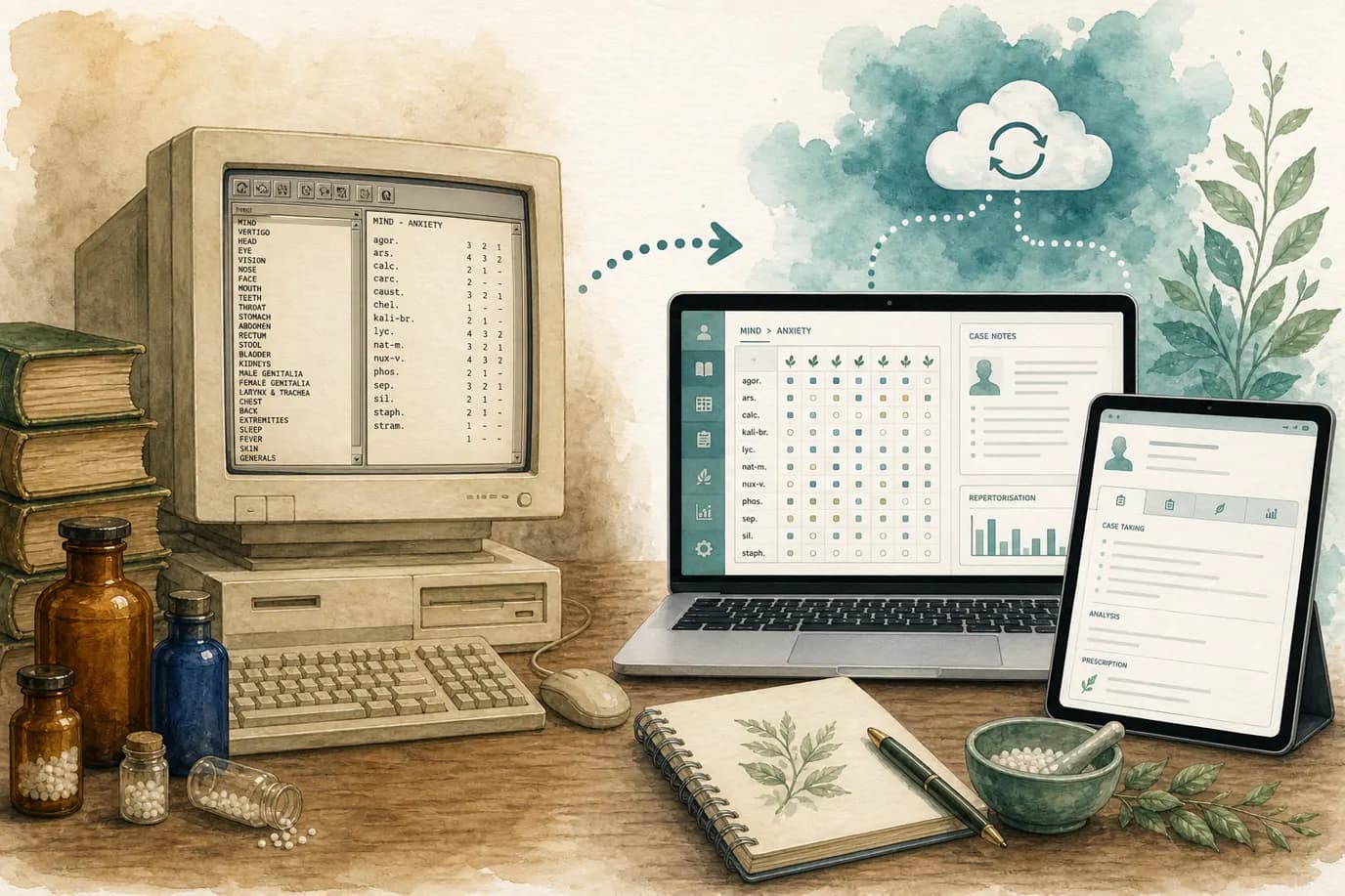


Если вы студент-гомеопат, который смотрит на ряды толстых реперториев и думает, как вообще ориентироваться в тысячах рубрик, одновременно ведя консультации, сверяясь с materia medica и записывая заметки о пациентах, вы не одиноки. Я помню те первые дни изучения реперторизации: я перелистывал реперторий Kent, всюду были клейкие закладки, и я пытался перевести слова пациента «я тревожусь, когда остаюсь один в темноте» на правильный язык рубрик. Это было утомительно, занимало много времени и, честно говоря, ошеломляло.
Перенесемся в сегодняшний день: программы по гомеопатии изменили то, как мы учимся и практикуем. Но при таком количестве вариантов, от бесплатных онлайн-инструментов до платформ профессионального уровня, какой из них действительно лучше всего подходит студентам, осваивающим основы реперторизации и анализа случаев?
Разберем ключевые функции, на которые стоит обращать внимание, и лучшие платформы, которые могут поддержать ваш путь от студента до уверенного практика.
Зачем студентам-гомеопатам нужна программа, а не только книги
Я полностью за уважение к классическим методам: огромное значение имеет понимание структуры репертория Kent или методологии Boenninghausen вручную. Но реальность такова: современный сбор случая идет быстро, а пациенты описывают симптомы повседневным языком, а не терминологией реперториев XIX века.
Программа закрывает этот разрыв. Подходящая платформа помогает вам:
- Быстрее освоить структуру рубрик: интеллектуальные функции поиска показывают, как организованы рубрики, раскрывая связи между главами, разделами и подрубриками, которые вручную можно пропустить.
- Переводить современный язык: пациенты говорят: «Я беспокоюсь ночью и не могу выключить мысли». Программа с семантическим поиском помогает сопоставить это с рубриками вроде Mind; Restlessness, nervous или Sleep; Sleeplessness, thoughts, from.
- Развивать навыки анализа случаев: запись симптомов, взвешивание рубрик, сопоставление с materia medica и отслеживание дифференциалов препаратов в одном месте развивают аналитическое мышление без бумажного хаоса.
- Практиковаться где угодно и когда угодно: облачные инструменты синхронизируются между ноутбуком, планшетом и телефоном, поэтому вы можете изучать случаи в дороге, повторять репертории перед клиникой или исследовать препараты между лекциями.
Теперь посмотрим, что отличает отличную студенческую платформу от остальных.
На что обратить внимание студенту в программе по гомеопатии
Не все программы по гомеопатии одинаковы, и то, что подходит опытному практику, может перегрузить студента или оказаться слишком дорогим. Вот что действительно важно, когда вы учитесь:
1. Доступная цена, желательно бесплатно или недорого
У студентов ограниченный бюджет. Лучшие платформы предлагают бесплатные тарифы с базовой функциональностью или доступные студенческие издания без дорогих годовых подписок и закрытого контента, который ограничивает обучение.
2. Доступ к классическим реперториям
Вам нужны базовые репертории, которые преподают в гомеопатических школах: реперторий Kent, реперторий Boericke и "Therapeutic Pocket Book" Boenninghausen. Плюсом будет, если программа включает Phatak, Boger или другие классические источники для сравнения.
3. Семантический поиск и понятный поиск рубрик
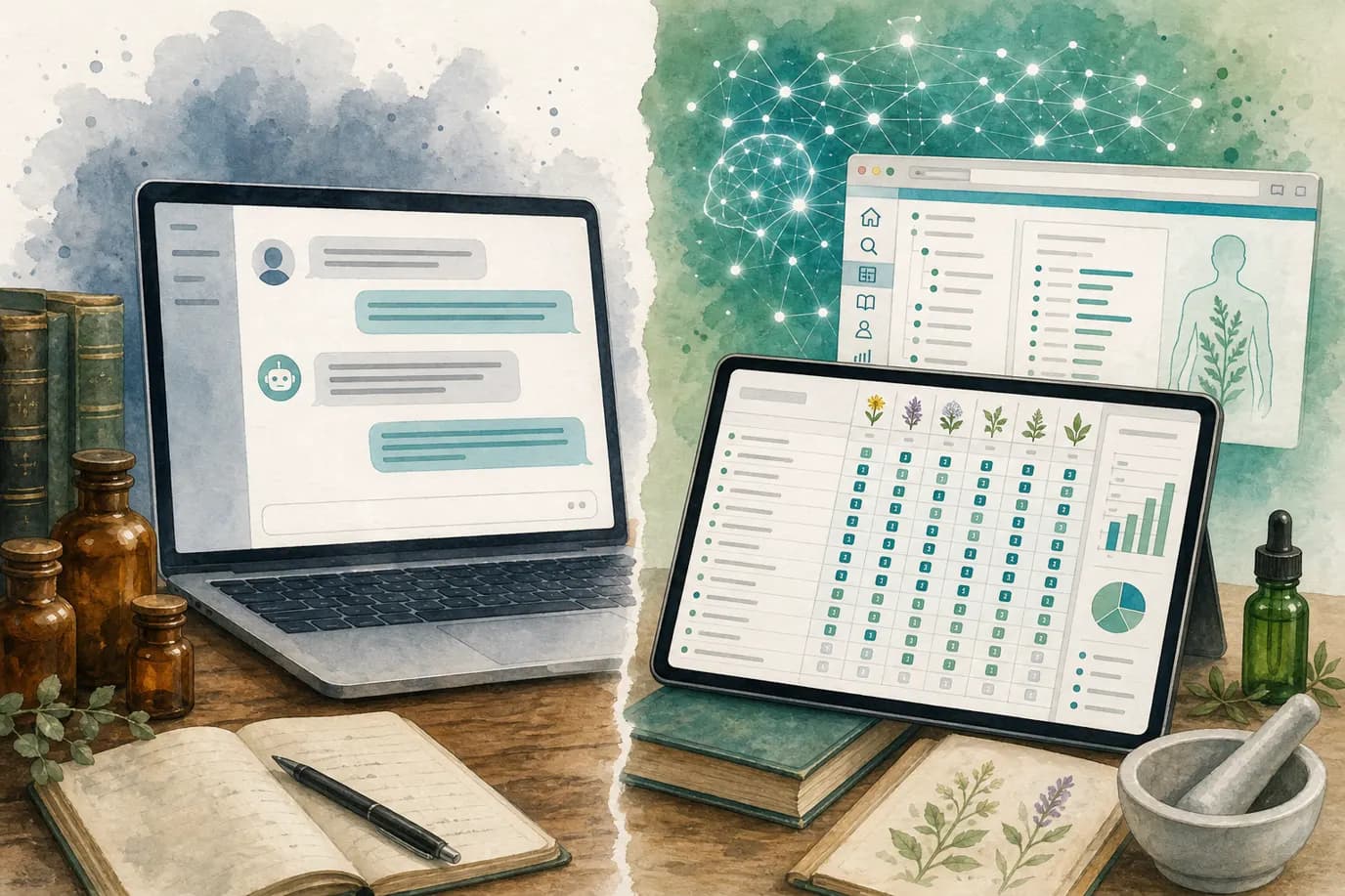
Это меняет правила игры. Семантический поиск позволяет вводить симптомы простым английским языком или на вашем родном языке и сразу получать релевантные рубрики: больше не нужно угадывать, к какой главе относится симптом, или искать по указателям.
4. Интеграция materia medica
Реперторизация — это только половина картины. Вам нужен быстрый доступ к источникам materia medica, таким как "Clarke's Dictionary", "Allen's Keynotes", "Boericke's Materia Medica" и "Hering's Guiding Symptoms", чтобы подтверждать картины препаратов и понимать конституциональные характеристики.
5. Удобный интерфейс и легкость освоения
Сложная программа, рассчитанная на опытных практиков, может напугать начинающих. Ищите чистый интерфейс, обучающие материалы с пошаговым сопровождением и логичные рабочие процессы, которые отражают то, как вас учат собирать случай.
6. Ведение случаев для практики
Даже будучи студентом, вы будете брать случаи под супервизией. Программа, которая позволяет создавать записи пациентов, документировать консультации и отслеживать последующие визиты, формирует хорошие привычки и готовит к профессиональной практике.
7. Совместимость с разными устройствами
Облачные платформы, которые работают на Windows, macOS, iOS и Android, позволяют учиться и реперторизировать за столом, в библиотеке или с телефона во время перерыва.
Лучшие варианты программ по гомеопатии для студентов
Оценим платформы, которые соответствуют этим критериям и действительно помогают студентам изучать реперторизацию и анализ случаев.
Similia — лучшая бесплатная платформа для студентов и начинающих практиков
Similia выделяется как лучший выбор для студентов-гомеопатов, предлагая бессрочный бесплатный тариф, который не урезает важные функции. Она создана специально для решения трудностей, с которыми сталкиваются студенты: перевода языка пациента в реперторные рубрики, доступа к классическим источникам и изучения анализа случаев без финансовых барьеров.
Что делает Similia идеальной для студентов:
- Бесплатный доступ к 7 классическим реперториям: Kent, Boenninghausen, Boericke, Hering, Boger и другим — без платных барьеров на классический контент.
- Семантический поиск по реперториям и materia medica: вводите симптомы естественно, например «страх оставаться одному ночью», и поиск на основе ИИ предлагает релевантные рубрики, даже если вы не знаете точную терминологию. Это бесценно для начинающих, которые еще изучают язык рубрик.
- 21 классическая книга materia medica включена в Free: Hahnemann, Farrington, Dunham, Guernsey, Hughes & Dake, Hale, H. C. Allen, Clarke, Boericke, Hering и другие позволяют сопоставлять профили препаратов во время реперторизации; Murphy доступен на Pro.
- Набор инструментов ИИ в Pro: извлечение рубрик из заметок, ИИ-анализ случая, живая транскрипция консультации и ИИ-анализ фотографий учат выделять ключевые симптомы и превращать рассказы пациентов в структурированные данные случая. Эти четыре клинических инструмента требуют Pro; ИИ-семантический поиск остается доступен на Free.
- Ведение случаев пациентов: записывайте консультации, назначения и последующие визиты в одном месте, формируя профессиональные рабочие процессы с начала обучения.
- Облачная синхронизация и удобство на мобильных устройствах: доступ к вашим случаям и исследованиям с любого устройства — идеально для студентов, совмещающих лекции, клинические ротации и учебные группы.
Бесплатный тариф Similia — это не урезанная пробная версия: он включает 7 классических реперториев, 21 классическую книгу materia medica, ИИ-семантический поиск и базовое ведение случаев с лимитом 3 новых случаев и 3 анализов в месяц. Переход на Pro добавляет набор из четырех инструментов ИИ, премиальные репертории (Murphy's MetaRepertory, Complete Repertory, Saine Repertory), а также неограниченное количество случаев и анализов.
Hompath Firefly — студенческое издание с обширными справочными материалами
Hompath Firefly — это комплексная программа для студентов, созданная для поддержки обучения с реперториями, materia medica и образовательным контентом в одном пакете. Она включает 10 реперториев (Kent, Boericke, BBCR, Phatak), 109 гомеопатических книг и специальный учебный модуль для студентов с тестовыми вопросами, пробными экзаменами и вылеченными случаями от мастеров вроде J.T. Kent.
Сильные стороны:
- Огромная библиотека справочников и клинических подсказок для подготовки к экзаменам.
- Интеллектуальный поиск и мгновенная запись рубрик.
- Система ведения пациентов для практики случаев под супервизией.
- Включает взаимосвязи препаратов, клинические обследования и более 100 вылеченных случаев для изучения методов назначения.
Что учесть:
- Требует покупки, не бесплатно; цена студенческого издания умеренная по сравнению с профессиональными версиями.
- Устанавливаемая программа для Windows/macOS, а не облачная платформа, что ограничивает гибкость между устройствами.
Synergy Essential, студенческое издание — конкурентная цена для начинающих
Synergy Homeopathic предлагает издание Essential, адаптированное для студентов или тех, кто только начинает изучать гомеопатию. Оно включает важные ресурсы, согласованные с международно признанными курсами по гомеопатии, и предоставляет основные инструменты, необходимые для реперторизации и анализа случаев.
Сильные стороны:
- Доступная начальная цена для студентов.
- Инструменты реперторизации профессионального уровня, разработанные гомеопатами для гомеопатов.
- Понятный интерфейс, подходящий для начинающих.
- Путь обновления до изданий Foundation и Professional по мере развития навыков.
Что учесть:
- Цена не бесплатная: конкурентная, но требуется покупка.
- Объем библиотек контента и глубина реперториев/materia medica зависят от уровня издания.
Мини-/облегченные версии RadarOpus — настольная платформа со студенческими лицензиями
RadarOpus — давно существующая настольная платформа, известная размещением репертория Synthesis. Она предлагает начальные версии Mini/Light, ориентированные на студентов, с доступом к классическим реперториям и materia medica по сниженной цене лицензии.
Сильные стороны:
- Современный и удобный дизайн.
- Одновременный поиск по реперториям и materia medica.
- Инструмент профессионального уровня, который растет вместе с вашим продвижением.
Что учесть:
- Стоимость выше по сравнению с другими студенческими вариантами.
- Модель аренды или подписки со временем может стать заметной статьей расходов для студентов.
OOREP (Open Online Homeopathic Repertory) — бесплатный онлайн-реперторий
OOREP — бесплатная браузерная реперторная платформа с классическими источниками, такими как Kent, Boger и Hering. Для нее нужен только веб-браузер; она предлагает алфавитный доступ к рубрикам с препаратами и степенями.
Сильные стороны:
- Полностью бесплатна и доступна из любого места с интернетом.
- Не требует установки или регистрации.
- Хороша для быстрого поиска в репертории и базовой практики реперторизации.
Что учесть:
- Ограничена только реперторием: нет интеграции materia medica или ведения случаев.
- Базовый интерфейс без семантического поиска или функций ИИ.
- Лучше подходит как дополнительный инструмент, а не как полноценная учебная платформа.
Как выбрать: сопоставляем программу с вашим стилем обучения
Каждый студент учится по-разному. Вот как соотнести ваши потребности с подходящей платформой:
- Если у вас строгий бюджет и вы хотите прочную учебную основу: бесплатный тариф Similia дает вам 7 классических реперториев, 21 классическую книгу materia medica, ИИ-семантический поиск и базовое ведение случаев с лимитом 3 новых случаев и 3 анализов в месяц.
- Если вы предпочитаете обширные справочные библиотеки и материалы для подготовки к экзаменам: 109 книг Hompath Firefly и учебный модуль для студентов дают единый ресурс для курсовой работы и повторения.
- Если ваша школа стандартизирует обучение на настольном пакете: Synergy Essential или RadarOpus Mini — обычные начальные варианты; заложите бюджет на лицензии для отдельных компьютеров и платные обновления по мере роста вашей библиотеки.
- Если вам нужен быстрый справочник по реперторию без обязательств: OOREP идеально подходит для быстрых поисков, но не заменит полноценную программную платформу для работы со случаями.
Заключительные мысли: начните бесплатно, освойте основы, затем развивайтесь
Как студент, вы прежде всего стремитесь освоить реперторизацию и анализ случаев: понять, как выбирать рубрики, взвешивать симптомы, различать препараты и строить уверенные назначения. Выбранная вами программа должна поддерживать этот путь обучения, не создавая финансового напряжения и не перегружая сложностью.
Similia предлагает для студентов самое сильное сочетание доступности, функциональности и учебной поддержки. На Free семантический поиск делает язык репертория понятнее. Базовое ведение пациентов, ограниченное 3 новыми случаями и 3 анализами в месяц, помогает освоить профессиональные рабочие процессы без предварительных затрат. Когда вы будете готовы, Pro добавит извлечение рубрик из заметок, ИИ-анализ случая, живую аудиотранскрипцию, ИИ-анализ фотографий, премиальные репертории и неограниченное количество случаев и анализов. Полный обзор того, что нужно студентам и как начать, смотрите в нашем руководстве программа по гомеопатии для студентов.
Начните с инструмента, который ставит обучение на первое место. Экспериментируйте с бесплатными гомеопатическими ресурсами, изучайте, как семантический поиск ускоряет понимание, и формируйте прочную основу в реперторизации и анализе случаев. Для учебных материалов наше студенческое руководство по главным гомеопатическим препаратам охватывает основные полихресты, которые должен знать каждый студент, а наше руководство по реперторизации для начинающих пошагово проводит вас через процесс. Правильная программа не просто экономит время: она меняет то, как вы думаете, учитесь и практикуете гомеопатию.